
Karen Owen, chief growth officer for Europe at Kraft Heinz, told reporters that the continent acts as a laboratory for the food giant's innovations. She said that if a product can survive the diverse tastes and regulations of Europe, it is likely to succeed elsewhere.
From tins to market dominance
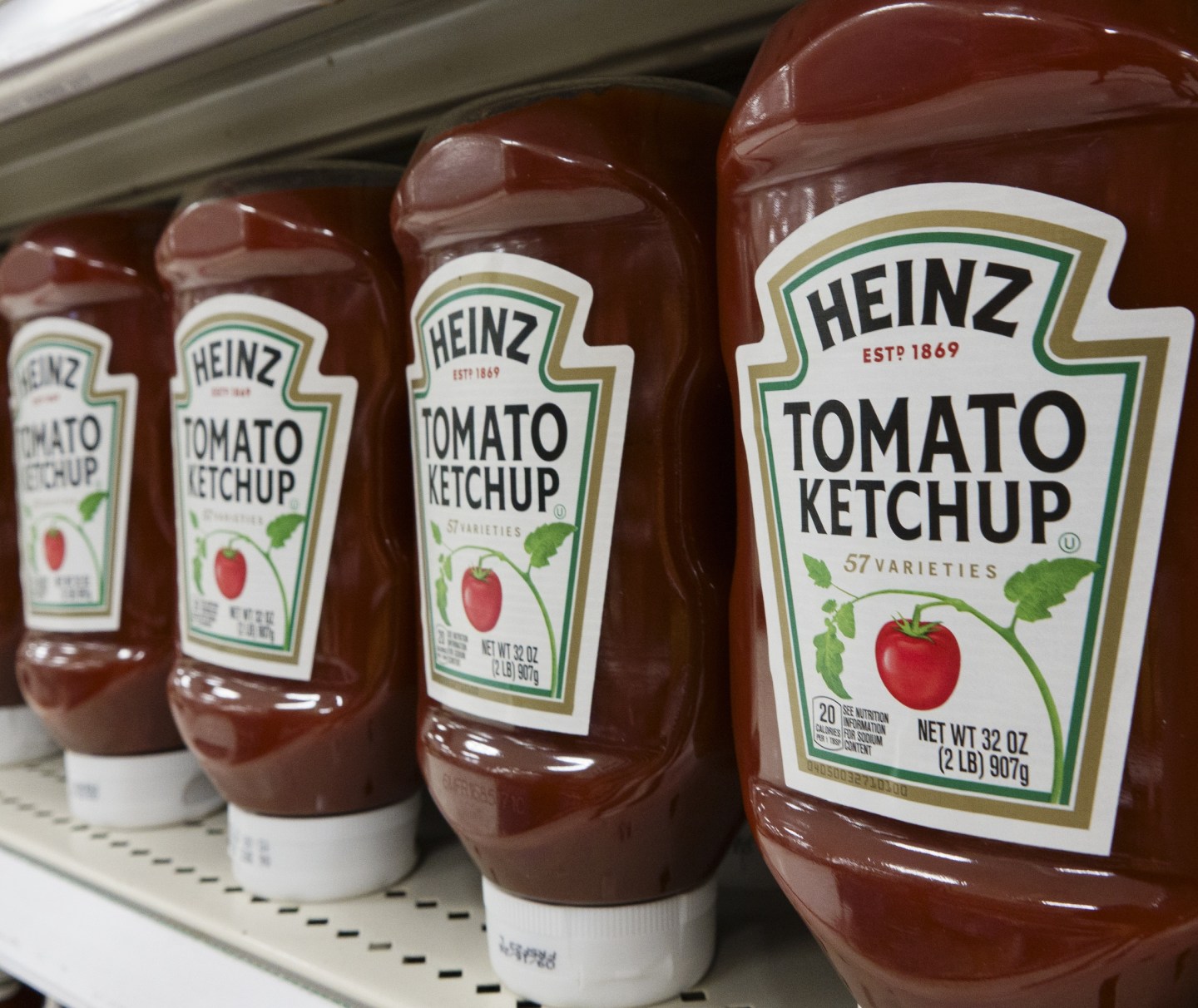
The story of Heinz in Europe began in 1886 when a travelling salesman arrived in London with tins of baked beans. The luxury department store Fortnum & Mason agreed to stock them, marking the brand's first British appearance. Today, the company commands almost half of Europe's ketchup sales by value and sells more than 650 million bottles worldwide each year.
Why Europe matters for a US-born brand
Europe presents both opportunities and obstacles. While the United States enjoys a relatively uniform market, the EU is a patchwork of 24 official languages and distinct consumer preferences. Steve Cahillane, chief executive of Kraft Heinz, has described the region as a "useful filter" for products destined for global rollout.
Recent figures show the company's international developed-markets segment, which includes Europe, fell 3.5% in the second quarter of 2026. The dip reflects years of under-investment, tighter household budgets and the rise of private-label alternatives.
Innovation driven by local insight
Despite the challenges, Kraft Heinz has a strong record of European innovation. A reformulated mayonnaise launched in 2016 now holds 20% of the UK market and 13% in Germany. The firm also introduced a fully recyclable ketchup bottle and a zero-sugar, zero-salt ketchup that contains 35% more tomato than the original. Sales of the new ketchup are up more than 20% year-on-year, making it one of the fastest-growing items in the European portfolio.
Owen explains that the company's European labs are built for rapid testing. A chef's kitchen in London creates weekly recipes that are tasted by retail partners, while a sister kitchen in Amsterdam uses the same ovens as Domino's Pizza to gauge sauce performance in a real franchise setting. A Dutch pilot plant checks whether a chef-crafted recipe can be scaled without losing flavour.
Health trends and weight-loss drugs
Weight-loss medications are reshaping snack consumption. A PwC study found 70% of GLP-1 users buy fewer sweets and snacks. In Germany, more than four million households have used or considered such drugs, according to YouGov. These shifts push Kraft Heinz toward shorter ingredient lists, smaller portions and higher-protein offerings.
The zero-sugar ketchup, launched in 2025, required a multi-million-dollar overhaul of manufacturing, replacing traditional cooking with a cold-extraction process that preserves natural sugars and flavour. The product's success has prompted a global rollout.
Targeting Generation Z
Generation Z, which will control roughly $12 trillion of spending by 2030, is notoriously skeptical, 94% of brands are trusted less by this cohort than by the general public, according to Morning Consult. To win them over, Kraft Heinz is partnering with brands that already enjoy youth appeal.
In the UK, a sauce created with South London fried-chicken chain Morley's earned a permanent place on supermarket shelves. In Spain, a collaboration with Popeyes produced two Cajun-inspired sauces that were later released as retail products. The same partnership model is now being tested in the United States, where three mayo-based dipping sauces debuted exclusively at Walmart in June 2026.
What comes next?
Owen says the company will continue to use Europe's fragmented markets as a stress test for new products. Successful launches, such as the no-added-sugar pasta sauce that moved from Europe to the US, will inform the broader corporate strategy. As European consumers increasingly demand health-focused, transparent foods, Kraft Heinz plans to expand its low-sugar, high-protein range while refining its R&D processes to keep pace with evolving tastes.