
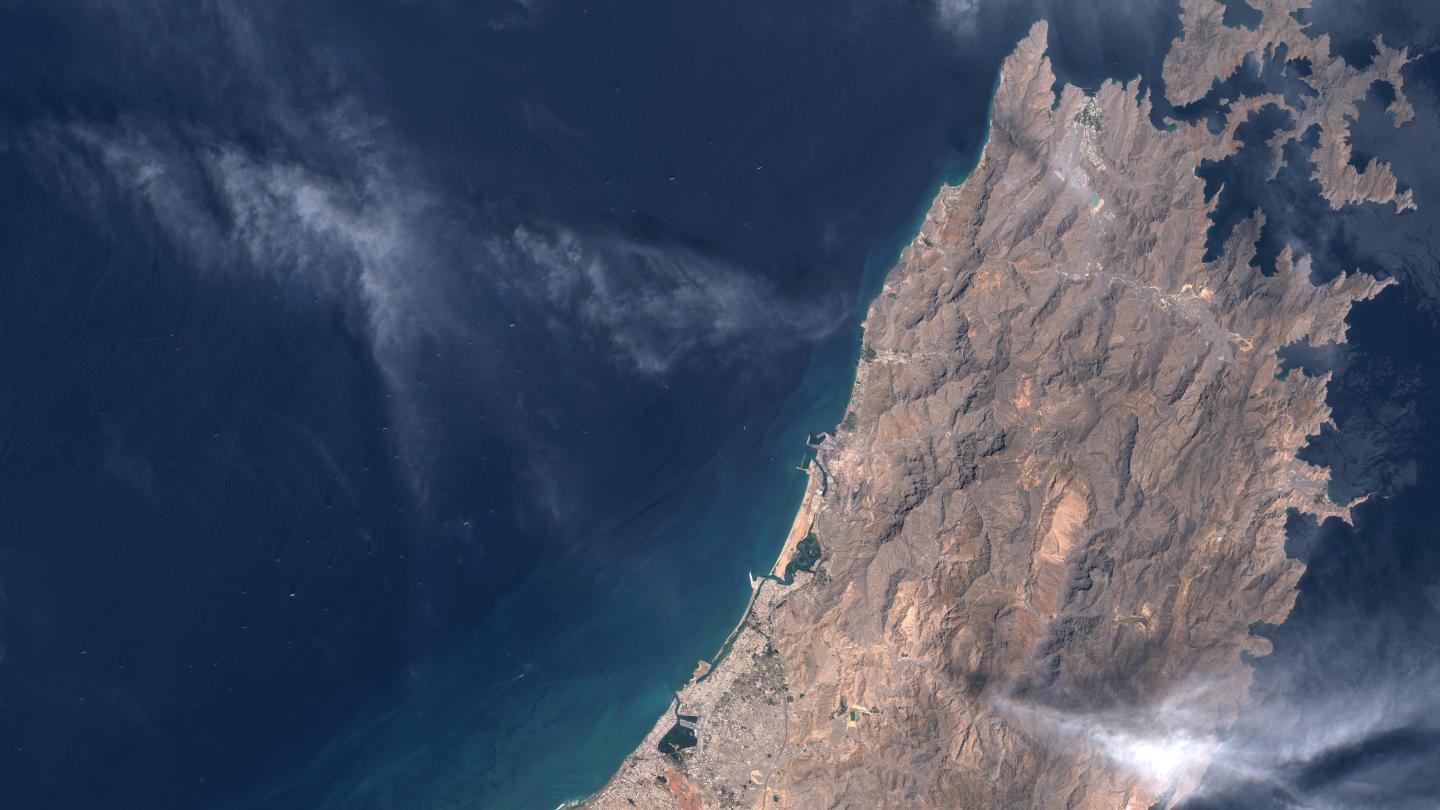
Caroline Bezengi, a 2001-built Suezmax that was carrying about 800,000 barrels of Russian Urals crude, suffered an explosion on 8 June off the coast of southern Yemen. The blast flooded the engine room and left the vessel adrift. After the crew abandoned ship, the tanker ran aground on 30 June on the rocks of Al Qibliyah in the Hallaniyat archipelago, spilling oil into a 667-square-kilometre marine reserve created by Oman to protect Arabian Sea humpback whales.
Explosion and spill
The oil slick reached the Omani mainland at Ras Madrakah. The Environment Authority measured the affected area at 390 square kilometres on 10 August, while satellite analysis by SkyTruth's John Amos suggested the spill covered more than 2,000 square kilometres two days later. Marisks founder Dimitris Maniatis estimated that cleanup could cost between $200 million and $500 million.
Why the shadow fleet matters
The incident illustrates the risks posed by the so-called shadow fleet, a group of vessels that operate under flags of convenience, often switch off transponders and lack transparent insurance. The Caroline Bezengi was registered in Cameroon, a flag state that suspended its international register in February after discovering fraudulent flag issuances. The ship's last recorded owner, Rentoor Shipmanagement Ltd, was dissolved earlier this year, and no insurer has been identified.
Legal gaps and financial fallout
Oman is a party to the 1992 Civil Liability Convention and the 1992 International Oil Pollution Compensation Fund, mechanisms designed to ensure strict liability and provide compensation up to about $279 million per incident. However, a spokesperson for the Fund told Reuters that the incident is being treated as an act of war, a category excluded from compensation.
"The incident was being treated as an act of war," the Fund spokesperson said.
Because the exclusion must be proven by the Fund, Oman has three years to bring the matter before a court. In the meantime, Omani authorities are bearing the full cost of booms, dispersants and manual beach cleaning.
Possible future actions
European states are reassessing how to curb the shadow fleet. Estonia's navy commander warned that the risk of confronting such vessels was "just too high" after a failed attempt to stop a tanker escorted by a Russian Su-35.
"The risk was just too high to detain shadow vessels," the commander told Reuters.
Countries such as Ireland have introduced legislation allowing naval forces to board ships that threaten the marine environment, and think-tanks like RUSI recommend framing enforcement in ecological terms rather than sanctions. The Omani spill is likely to become a reference point for future policy, pushing for tighter vessel registration, mandatory insurance and stronger international response mechanisms.