
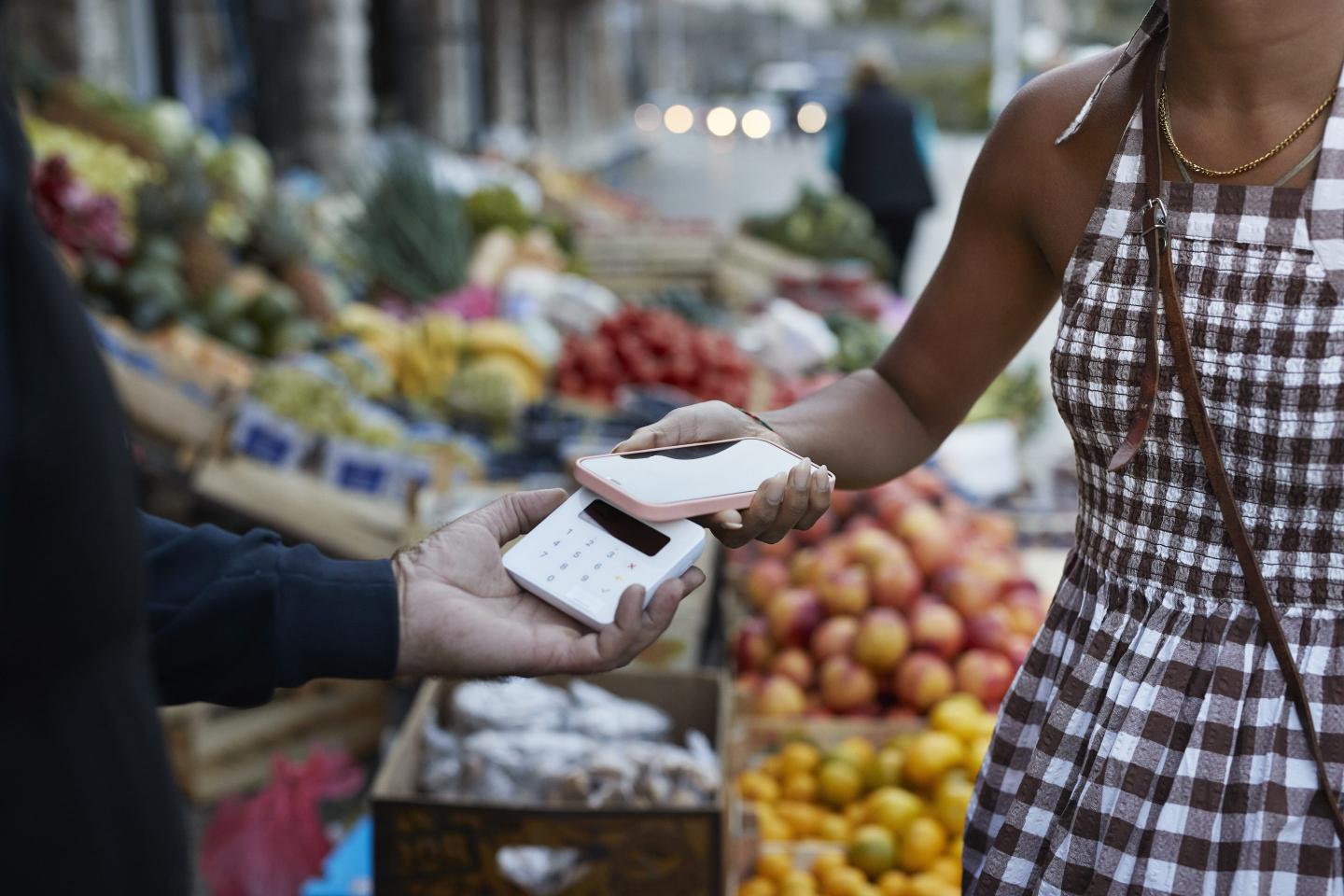
Kurt Knutsson, the technologist behind the CyberGuy Report, warns that fraudsters are hijacking tap-to-pay donations. A donor may intend to give a modest amount, such as $20, but the scammer manipulates the transaction screen so the final charge becomes $2,000 without the donor noticing.
How the scam works
Tap-to-pay technology allows a card to be waved over a reader, displaying the amount on a screen before the user authorises the payment. Criminals exploit the brief moment between the displayed figure and the authorisation, swapping the agreed amount for a much larger sum. The payment is still technically authorised by the cardholder, making it difficult for banks to reverse.
Why it matters for donors and charities
The practice threatens the fragile trust that younger donors place in nonprofit organisations. A 2026 Giving Signals Report by Bloomerang, conducted with The Harris Poll among more than 1,000 donors, found that 85% of active donors trust charities to use funds effectively, yet they also demand greater transparency. Steve Isom, chief operating and financial officer at Bloomerang, told EuroHerald that donors want "receipts" and verified use of money.
When fraudsters manipulate donations, the perceived reliability of charitable giving erodes, potentially discouraging the very demographic that fuels much of modern philanthropy.
What consumers can do
According to Mary Ann Miller, fraud and cybercrime executive advisor at identity-verification firm Prove, authentication alone does not guarantee safety. She explained that "the technology may work exactly as designed, but the problem is the manipulation happening around the transaction." Miller advises donors to pause before tapping and to double-check the amount displayed.
Eva Velasquez, chief executive of the Identity Theft Resource Center, added that recovering funds is harder when the payment was authorised by the donor. While credit-card issuers can sometimes dispute charges, instant-payment methods lack the same consumer protections.
"You did, in fact, authorize the payment, but you did not check the final amount for the authorization," Velasquez said.
Experts recommend a proactive approach: choose charities independently, verify them through reputable accreditation sites such as Charity Navigator or the European Charities Register, and avoid impulsive donations to unknown street solicitations.
Looking ahead
European regulators are reviewing payment-security standards under the Revised Payment Services Directive (PSD2), which could introduce stronger authentication requirements for card-present transactions. Until such measures are widely implemented, donors must remain vigilant, verify charities beforehand, and scrutinise every tap-to-pay request.