
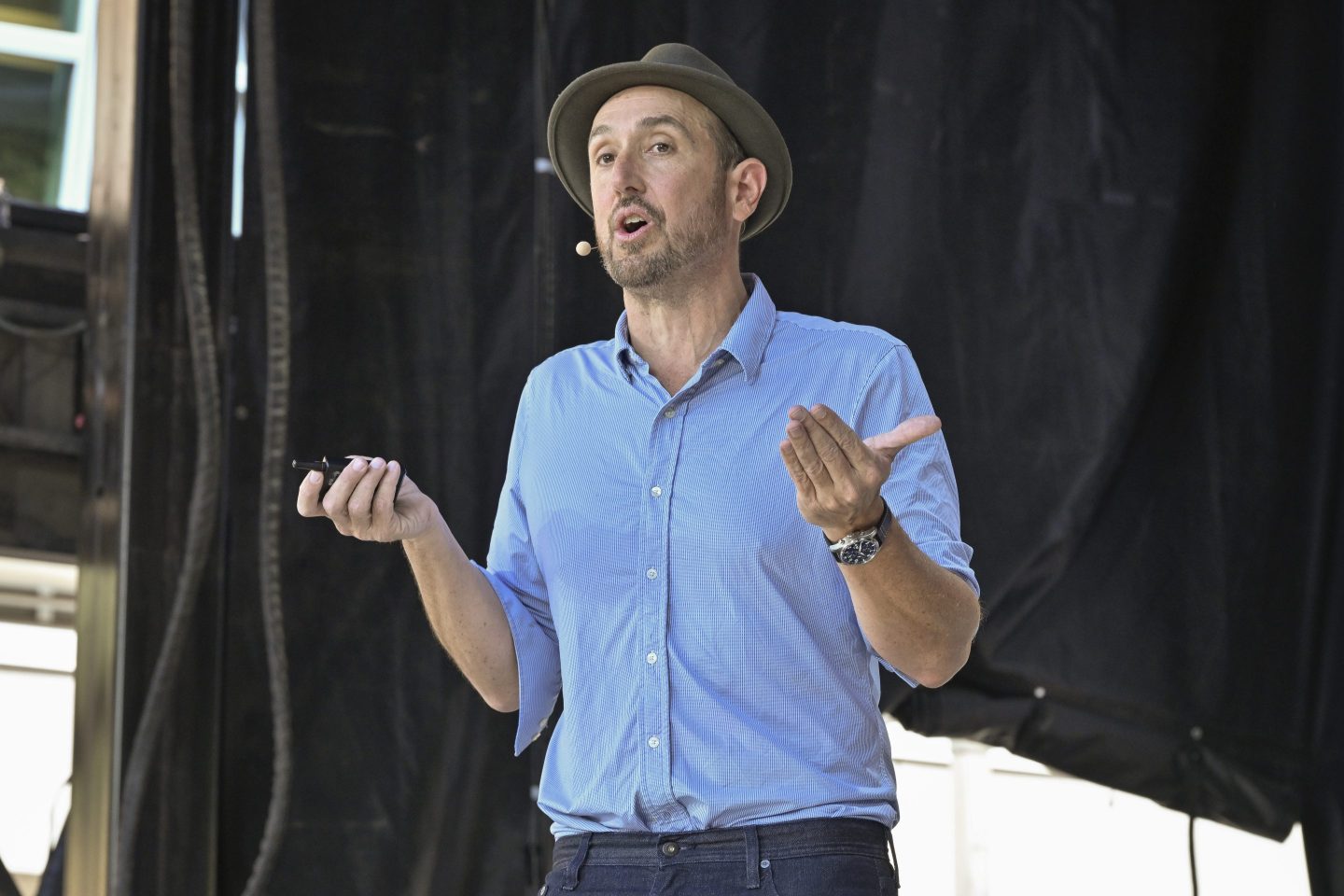
Randall Lane was dismissed from his role as chief content officer at Forbes in July after the media company discovered he had accepted an undisclosed payment of roughly $6 million from RJ Shook, the founder of SHOOK Research. The revelation has sparked a debate over whether the former executive broke any law or merely violated a historic New York employment doctrine.
Undisclosed payment triggers termination
Lane, 58, had spent 15 years at Forbes and overseen its editorial operations since 2017. According to a report by the New York Times, he described the money as a personal gift given in gratitude for informal advice he had provided to Shook after they met on a Forbes-organised humanitarian trip to Liberia in 2013.
"I made a mistake, and I take responsibility for it," Lane said. "I should have disclosed the gift, and failing to was a serious error in judgment."
The payment came to light when PPC Enterprises, a private-equity firm that bought a majority stake in SHOOK Research last August, uncovered the transaction while reviewing the company's email records. SHOOK's new management alerted Forbes, which confronted Lane and subsequently terminated his employment.
Legal backdrop: New York's Faithless Servant doctrine
Employment attorney Richard Friedman explains that while Lane may not have broken a specific statute, he likely violated New York's "Faithless Servant" doctrine, a common-law principle dating back more than 140 years that obliges employees to remain loyal to their employers. The doctrine allows employers to recover compensation from workers who act disloyally, covering conduct such as fraud, gross negligence or material misstatements.
Courts have applied the doctrine in varied ways. In some cases, employers have sought to claw back the entire salary paid since the employee's start date; in others, they have limited recovery to the period of disloyalty. Friedman notes that the doctrine could be invoked if the undisclosed gift created a conflict of interest that influenced Lane's decisions regarding SHOOK Research.
Potential repercussions and next steps
Friedman doubts Forbes will pursue a lawsuit, suggesting the company prefers to avoid further publicity. Nevertheless, if Forbes were to sue, it could combine claims that Lane breached the employee handbook, violated his fiduciary duties, and acted against the Faithless Servant doctrine.
The size of the payment also raises tax considerations. Friedman points out that a $6 million gift would trigger significant tax liabilities, regardless of how it is characterised.
Should Forbes decide to bring legal action, the discovery process could reveal whether Lane and Shook discussed the payment years before it was made, potentially extending the period for which compensation might be reclaimed.
Lane's background and previous conflicts
Lane's own writing recounts a similar episode from his early career, when a Texas developer offered him a lucrative public-relations job in exchange for nudging a wealth-ranking number. Before joining Forbes, Lane ran Doubledown Media and produced a short-lived financial magazine for professional athletes backed by former baseball star Lenny Dykstra. Lane later exposed Dykstra's own undisclosed financial arrangement in his 2010 book "The Zeroes".
For now, the focus remains on whether the former executive will face any further legal or financial consequences, and how the case may influence corporate policies on gifts and conflicts of interest across the media industry.