
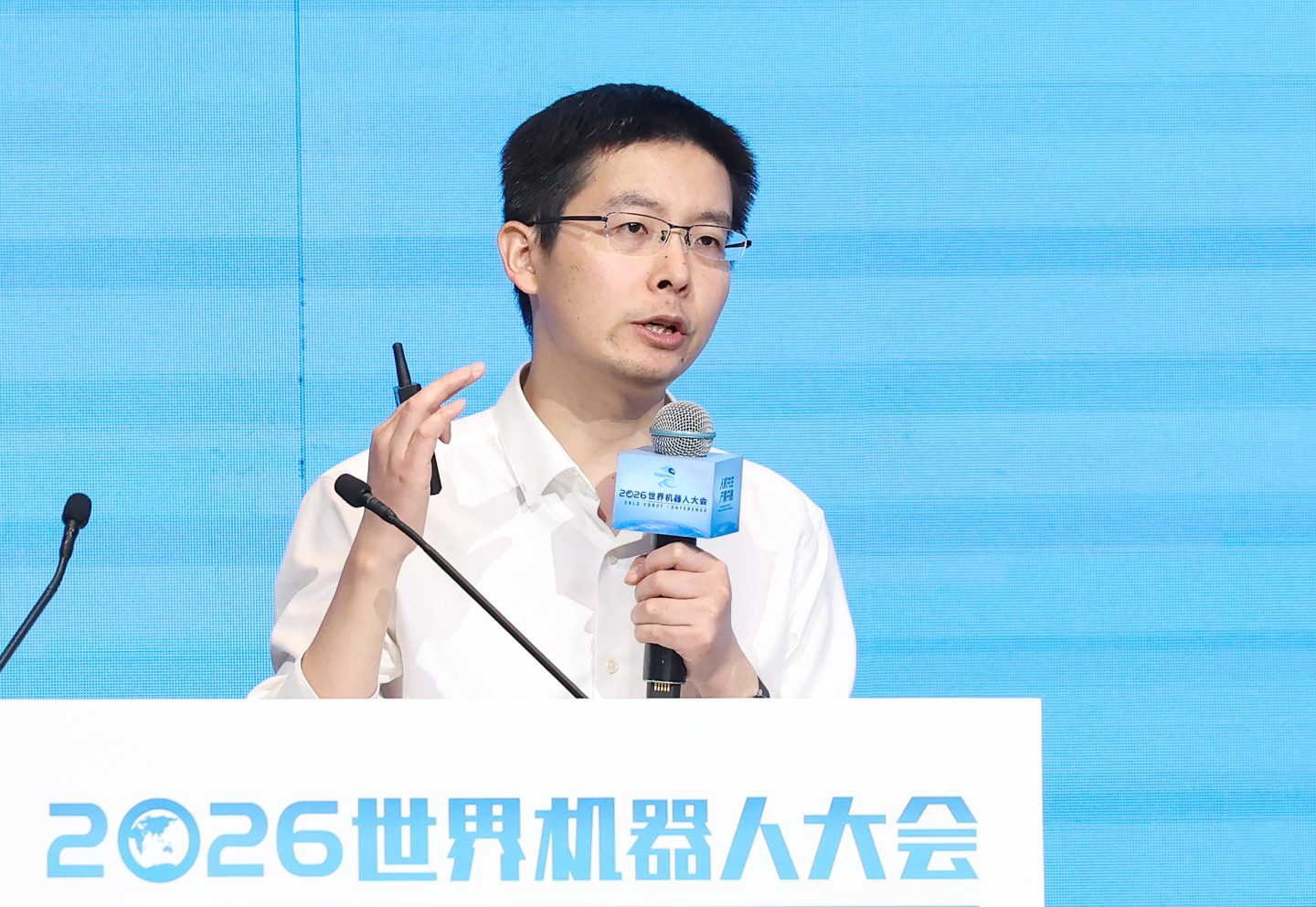
Wang Xingxing, chief executive of Chinese robotics firm Unitree, told delegates at the World Robot Conference in Beijing that a genuine "ChatGPT moment" for humanoid robots may still be several years off. He estimated the breakthrough could arrive in as little as two to three years for the fastest developers, but might take five to ten years for the slowest.
Why the timeline matters
The milestone Wang referred to would require robots to operate in unfamiliar settings, such as a private home, and complete around 80% of tasks using only voice or text commands. Achieving that level of adaptability would mark a shift from specialised machines to truly versatile assistants, a development that could reshape manufacturing, logistics and domestic care across Europe.
Investor enthusiasm versus technical reality
Unitree's stock surged 460% on its debut on Shanghai's STAR Market, briefly lifting the company's market value to about $66 billion. The rally followed a high-profile performance at last year's Spring Festival Gala, where the firm's humanoid robots performed a coordinated dance with human performers. Within weeks, Wang sat in the front row of a private symposium hosted by President Xi Jinping, alongside BYD chairman Wang Chuanfu and Huawei founder Ren Zhengfei.
"Artificial-intelligence-driven robots are evolving at an incredibly fast pace, surpassing my expectations. Every day brings new surprises," Wang said to state television after the meeting.
Despite the fanfare, Unitree's shares fell 19% the day after the IPO and slipped another 2% on Friday, suggesting that market optimism may be tempered by the company's own assessment of its technology.
What comes next for Unitree
Wang acknowledged that Unitree's robots remain less efficient than human workers and must be retrained for each new task. To close that gap, the firm is developing a self-evolving loop in which its AI evaluates a robot's control code, scores performance and collaborates with engineers to fine-tune movements down to the last millimetre.
While the company's public listing raised $900 million, the path to a fully autonomous, conversational robot remains uncertain. Observers will watch whether Unitree's iterative approach can accelerate progress, or if the industry will need a longer horizon before robots become as adaptable as large language models like ChatGPT.