
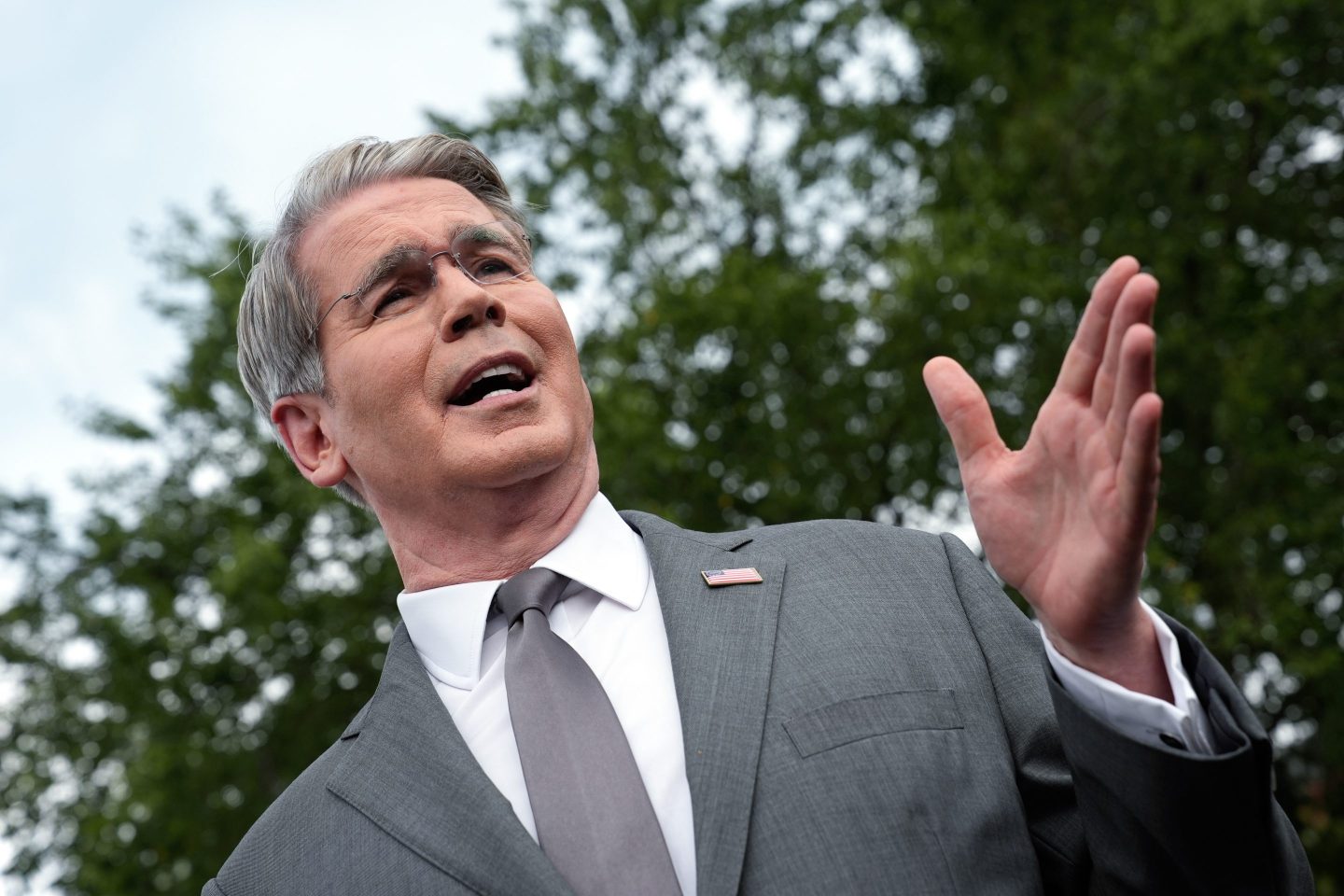
Scott Bessent has ordered the Treasury to double its buyback programme for US Treasuries, targeting at least $4 billion. The move, announced under President Donald Trump, is presented as a fresh version of "Operation Twist", buying long-dated debt while selling an equal amount of short-term paper to push long-term yields lower.
What the Treasury is doing
The Treasury's plan is to flatten the yield curve by shifting demand from short-term to long-term securities. In theory, this should keep borrowing costs down for businesses and households while raising short-term rates.
Why the move matters
Yield levels are driven by two forces: the supply and demand for credit, and inflation expectations set by monetary policy. If the Federal Reserve keeps monetary policy unchanged, the Treasury's twist could work only if investors accept the new rate structure. Past attempts show that without supportive monetary conditions, markets quickly rebalance, eroding any temporary gains.
Historical attempts at Operation Twist
There have been three notable twists. The first, in the United States between 1961 and 1965, aimed to boost capital spending by lowering long-term rates while raising short-term yields to attract foreign capital. Rapid money growth during that period sparked inflation, prompting "bond vigilantes" to demand higher yields and the policy collapsed.
The second, in September 2011, was part of the Federal Reserve's quantitative easing under Ben Bernanke. By extending the average maturity of its portfolio, the Fed hoped to stimulate housing and corporate investment after the Great Recession. Accelerated money growth from 4 % to 10 % helped the economy recover, suggesting the twist succeeded only as a component of broader easing.
The third case involved the Bank of Japan from 2016 to 2024, where "yield-curve control" was paired with massive asset purchases. Despite the Bank holding nearly half of Japanese government debt, money growth stayed below 3 % per year, limiting any boost to activity or inflation and rendering the policy ineffective.
Why the current move may fail
In the first half of 2026, broad money growth in the United States has been close to double-digit rates. Such rapid expansion fuels inflation expectations, which in turn empower bond vigilantes to push yields higher. Without a tightening of monetary policy by the Federal Reserve, the Treasury's twist is likely to be neutralised as investors shift their portfolios to reflect the prevailing inflation outlook.
What happens next
For Scott Bessent's strategy to achieve lower long-term rates, the Federal Reserve would need to slow money growth, either by raising short-term rates or by reducing its balance-sheet expansion. Absent such a shift, the Treasury's intervention may remain a symbolic gesture rather than a decisive market mover.
Analysts will watch closely for any change in the Fed's stance in the coming months, as the interaction between fiscal actions and monetary policy will determine whether the twist can influence the yield curve or simply fade into the background.