
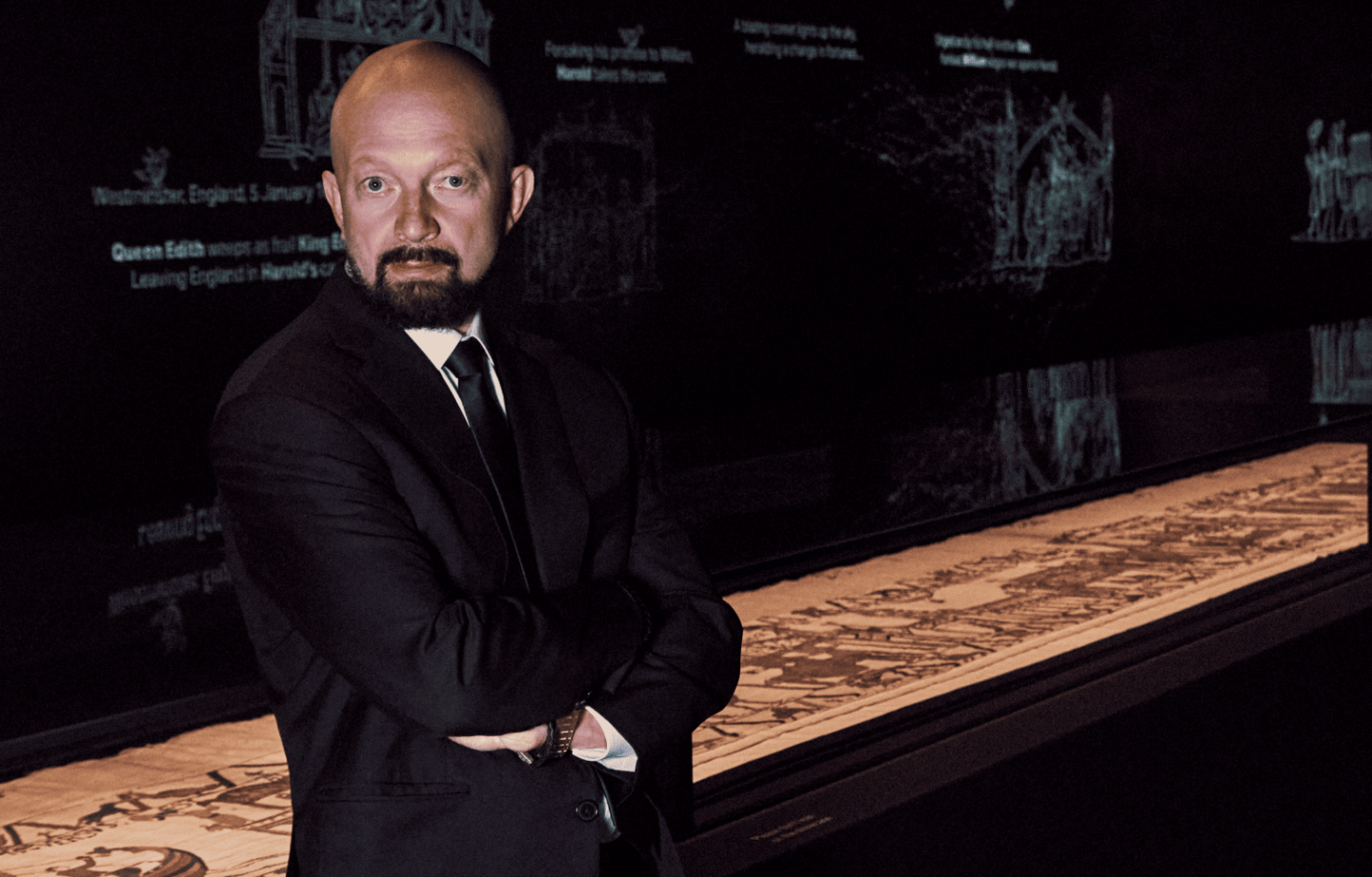
Igor Tulchinsky, the Belarus-born founder of the quantitative hedge fund WorldQuant, has pledged a £5 million donation to the British Museum to support its Bayeux Tapestry exhibition. The funding will help the museum keep the 70-metre embroidered narrative on public display through the end of 2026.
From Soviet refugee to tech philanthropist
Born in the former Soviet Union, Tulchinsky left Belarus with his family at age 11, arriving in Italy before gaining refugee status in the United States. He has said the experience taught him that taking risk can be essential for success.
He later built a fortune in algorithmic trading, founding WorldQuant after a spin-out from Millennium Management. The firm now uses artificial intelligence to process vast amounts of financial data, aiming for productivity gains that could be a hundredfold.
Why a medieval tapestry matters to a modern billionaire
Tulchinsky's interest in the Bayeux Tapestry, a 1,000-year-old embroidered record of the Norman conquest of England in 1066, stems from his belief that physical artefacts nurture creativity and critical thinking. He argues that exposure to such history offers a counterbalance to the fleeting attention spans of social media and large language models.
"When you give somebody a skill, the skill stays with them their whole life," Tulchinsky said.
He adds that philanthropy should aim for lasting impact, not merely the movement of money.
Impact on the exhibition and future plans
The Bayeux Tapestry exhibition opened this month in London and has already sold out until the end of the year, with more than a million visitors expected. King Charles, French President Emmanuel Macron and Greater Manchester Mayor Andy Burnham received a private viewing, underscoring the event's cultural significance.
Tulchinsky's contribution will fund educational programmes linked to the exhibition, including free online courses offered by the WorldQuant Foundation's WorldQuant University. He hopes the project will inspire a new generation of thinkers capable of navigating both historic narratives and future AI challenges.
Looking ahead
Beyond the Bayeux Tapestry, Tulchinsky plans to continue supporting initiatives that blend technology with the humanities. By investing in cultural heritage, he aims to cultivate the broad, interdisciplinary mindset he believes is essential for managing the next wave of AI development.