
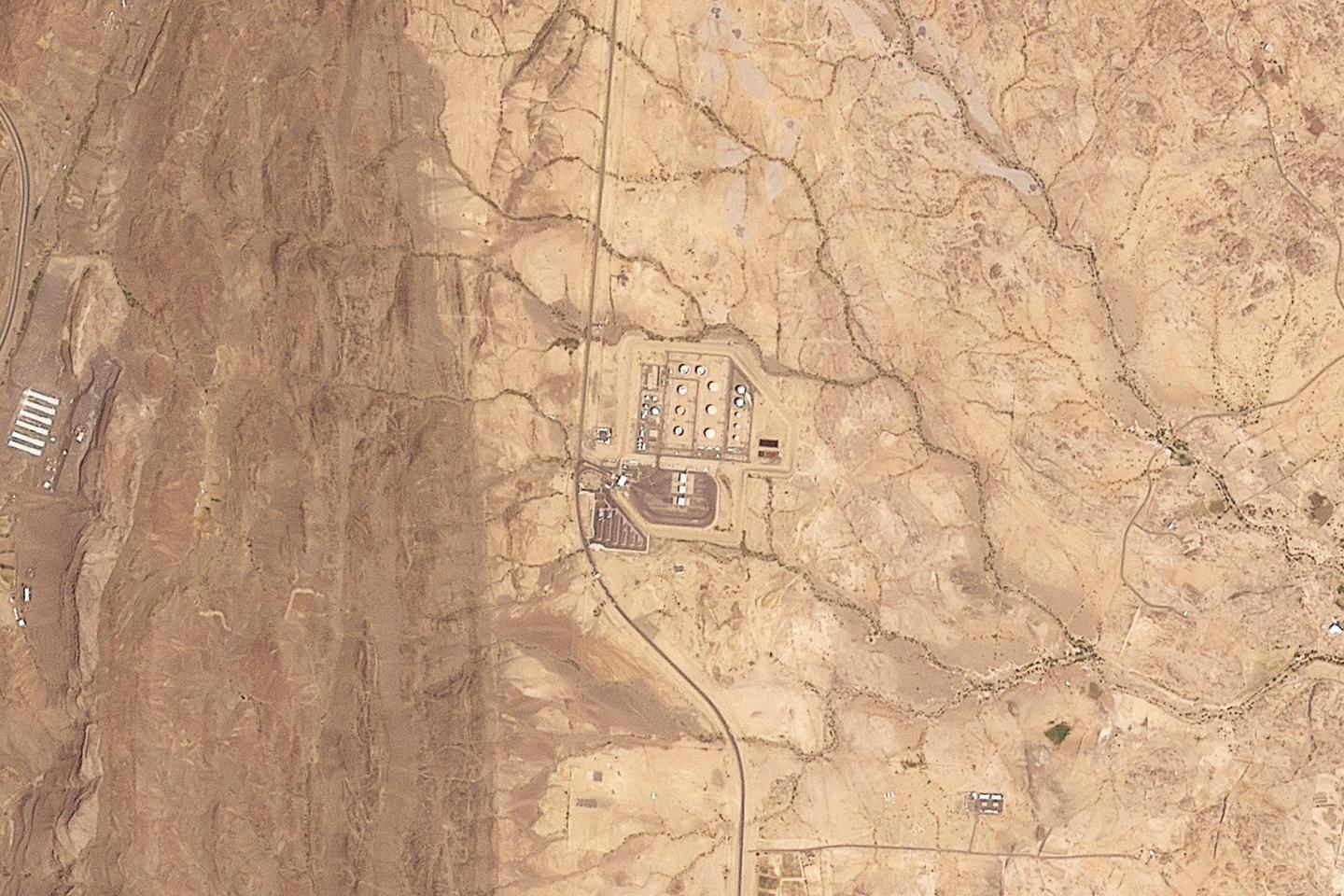
Oil prices surged past the $100 a barrel mark on Wednesday, with Brent crude reaching $100.72 and the U.S. benchmark crude climbing to $95.25. The jump follows a series of attacks on oil infrastructure and shipping lanes in the Middle East, which have strained an already fragile supply chain.
What triggered the price spike?
U.S. military forces reported striking five Iranian tankers after attempted missile attacks on a Navy warship, while an Iranian-backed Houthi rebel group set fire to facilities in Saudi Arabia. The incidents have disrupted traffic through the Strait of Hormuz, a narrow waterway that normally carries about one fifth of the world's oil supply.
In addition, the conflict between Israel and the United States and Iran has kept the region volatile for more than six months, limiting the flow of oil and prompting concerns that the strait could remain blocked.
Why the surge matters for Europe
Higher oil prices translate into higher diesel and gasoline costs, which affect transport, manufacturing and household budgets across the continent. Diesel, used heavily in shipping and production, hit an all-time high of $5.94 per gallon, while the average price for a gallon of regular gasoline rose to $4.22 in the United States, a level more than a pound higher than a year ago.
European economies, already grappling with inflation, could see further pressure on consumer prices and freight rates. The rise also adds a new variable to the energy security calculations of EU member states that rely on imported fuels.
Analysts' outlook
Bank of America analysts raised their forecast for the second half of the year to $83 a barrel, citing "more persistent disruptions to Hormuz". They warned that if attacks continue, prices could climb to $95-$120 a barrel, with the possibility of spikes up to $150 a barrel if major infrastructure is damaged.
The analysts also noted that a durable diplomatic solution before the U.S. mid-term elections, now just eight weeks away, appears unlikely, and that negotiations over a preliminary deal between the United States and Iran have stalled over control of the strait.
What could happen next?
Continued Houthi attacks on an alternative shipping route used by Saudi Arabia could further tighten global supplies. If the strait remains blocked, European refiners may face higher input costs, potentially leading to increased fuel taxes or subsidies to shield consumers.
Market participants will be watching for any diplomatic breakthrough that could reopen the Hormuz corridor, as well as for the outcome of the upcoming U.S. elections, which could influence American foreign policy in the region.
For now, the combination of geopolitical tension and supply constraints keeps oil markets on edge, with European businesses and households feeling the ripple effects of each new development.