
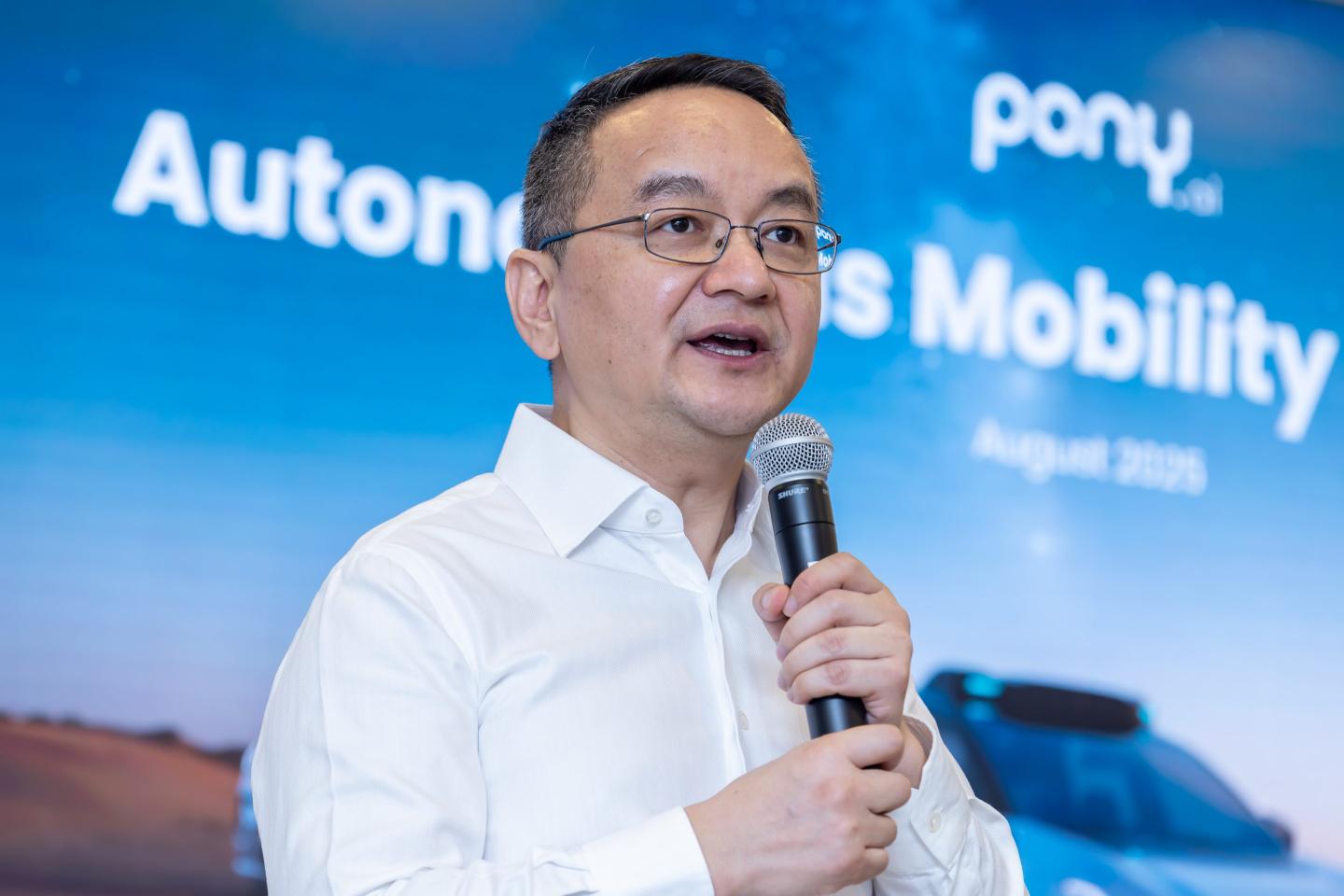
James Peng, founder and chief executive of Chinese autonomous-driving firm Pony.ai, told the EuroHerald Leaders Forum in Macau on 8 September that robotaxis will be a common sight on streets across Europe within the next five years. "I think the technology problem is pretty much already solved," he said, adding that passengers will soon be able to hail a driverless car as easily as a conventional taxi.
Why the forecast matters
Peng's confidence comes as Pony.ai expands beyond China, where it already runs commercial services in Beijing, Guangzhou, Shenzhen and Shanghai, averaging about 25 rides per vehicle per day. The firm recently announced an expanded partnership with Uber to deploy more than 2,000 robotaxis across Europe, building on a pilot in Zagreb, Croatia, and a plan to deliver 200 vehicles to South Korea by 2028.
Other Chinese players such as WeRide and Baidu are also seeking footholds in Southeast Asia and Europe, intensifying competition with U.S. leader Waymo. Peng highlighted that cities with expensive taxi markets and supportive regulatory frameworks are prime targets, noting that partnerships with established mobility brands can help win public trust and persuade policymakers.
Potential impact on cities
According to Peng, widespread robotaxis could dramatically alter urban planning. "Most private cars are used for two hours a day," he explained. "If robotaxis are more ubiquitous, we'll save on parking spaces." He added that the shift could free up land, reduce congestion and change daily travel habits.
Peng also pointed to behavioural changes observed in his own fleet. Passengers sometimes forget to close doors, prompting Pony.ai to ask nearby gig-economy delivery workers to secure them. He noted a growing share of female riders during evening hours, who feel safer without a human driver.
What comes next
Pony.ai reported robotaxi revenue of $12.1 million in the second quarter, a rise of almost 700 % from a year earlier, though it posted an operating loss of $65.7 million. The company plans to roll out additional services in the Middle East and Singapore, while continuing to test the technology in Chinese megacities.
Peng's outlook suggests that, within half a decade, European commuters could be sharing rides in fully autonomous vehicles, reshaping transport ecosystems and prompting cities to rethink parking, zoning and public-transport integration.