
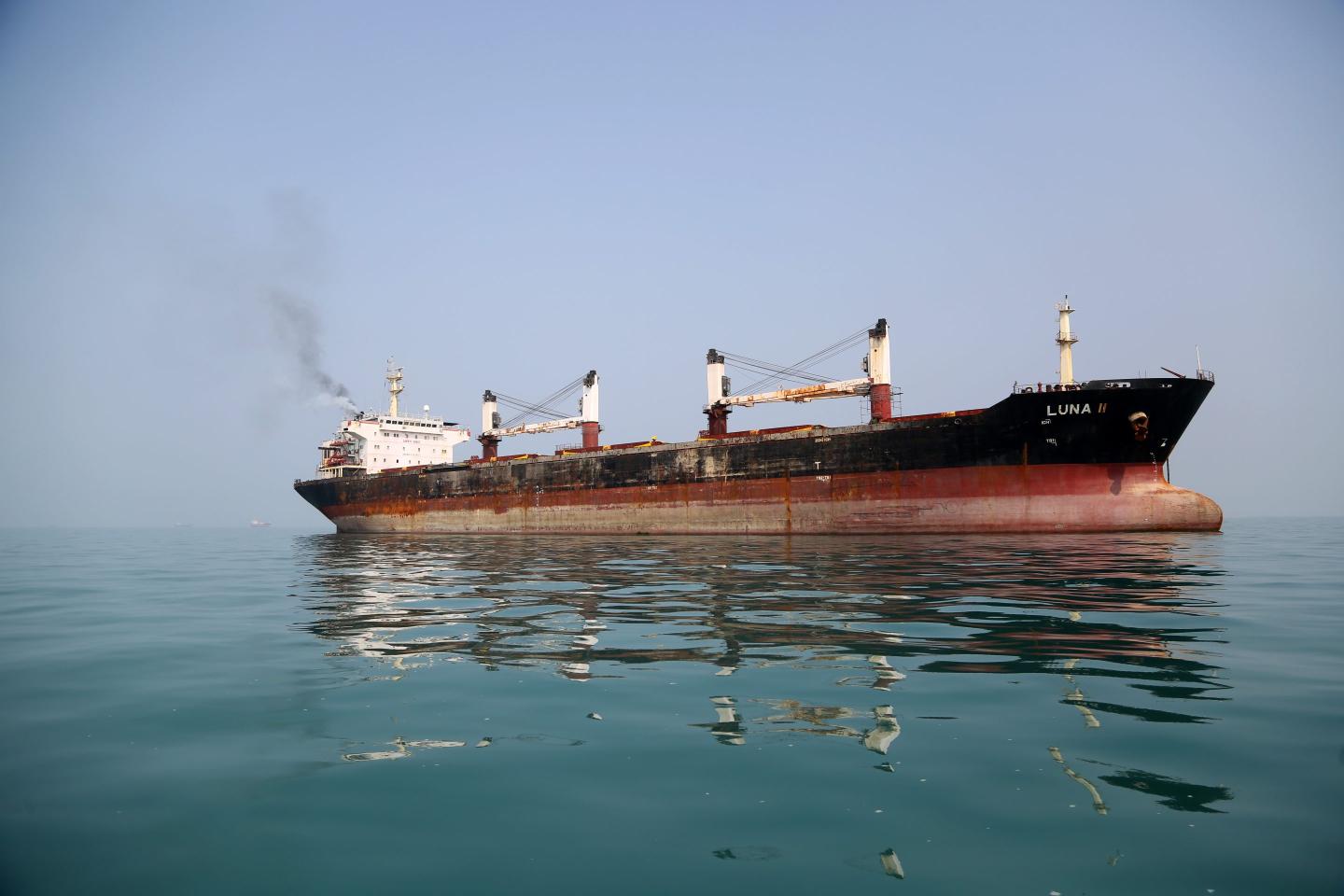
Oil prices broke the $100 per barrel barrier on Wednesday, while diesel futures surged past $200 per barrel, the highest level ever recorded. The jump follows a fresh escalation in the conflict between Iran and allied forces, which has further constrained flows through the Strait of Hormuz.
Why the surge matters for Europe
Both commodities are essential to transport, industry and heating across the continent. With the Strait of Hormuz handling roughly a third of the world's oil trade, any slowdown ripples through European fuel markets, pushing retail pump prices toward historic peaks. In the United Kingdom and several Central European states, diesel shortages are already being reported, threatening logistics chains that rely on trucking.
"The conflict has entered a new stage," said Susan Bell, senior vice-president at Rystad Energy. "Global stocks of diesel, gasoline and jet fuel have drawn down an awful lot; they are now at critical low levels. They've breached levels we last saw after Russia first invaded Ukraine."
Analysts warn that higher pump prices could force consumers to curb travel and switch to cheaper fuel grades, a phenomenon known as demand destruction. This behavioural shift may ease pressure on markets but also risks slowing economic activity at a time when Europe is still recovering from pandemic-related disruptions.
Implications for inflation and monetary policy
Rising energy costs feed directly into headline inflation, a key metric for central banks. With diesel now priced at $200 per barrel, the cost of goods transported by road climbs, adding to price pressures on food and consumer products. Dan Pickering, founder of Pickering Energy Partners, told reporters that "the risk that this shows up in inflation is growing, not just US inflation, but global inflation." He added that policymakers are likely to consider further interest-rate hikes to anchor price expectations.
"We worry now," Pickering said. "Prices are quite high and there's no easy relief valve. Nobody is building new oil refineries."
In the United States, the average price for a gallon of regular unleaded gasoline reached $4.22, an all-time September high, while diesel prices hit a record at the pump. Similar trends are expected to spread to Europe as refineries in the Middle East and Russia remain offline.
What could happen next?
Industry observers point to two possible routes out of the current squeeze. The first is a diplomatic de-escalation that would restore normal traffic through the Strait of Hormuz. The second is a broader resolution of the Russia-Ukraine war, which would bring additional supply back to market. Claudio Galimberti, chief economist at Rystad Energy, warned that without such breakthroughs, "price and demand must solve the imbalance, which is painful to consumers."
In the short term, central banks are expected to keep a close watch on energy-driven inflation and may tighten monetary policy further. Meanwhile, retailers such as Casey's General Stores in the United States are already seeing changes in consumer behaviour, with shoppers buying fewer gallons per trip but making more frequent visits and opting for lower-priced fuel grades.
"With the higher fuel prices, we're seeing exactly the type of behaviour that we would expect to see, fewer gallons per trip, but more trips made," said Darren Rebelezon, CEO of Casey's. "People are trading out of premium and mid-grade and opting for regular."
Political commentary in the United States adds another layer of uncertainty. Former President Donald Trump suggested that Iran's actions are aimed at influencing the upcoming mid-term elections, stating that the conflict would continue until after the vote. Such rhetoric underscores the geopolitical risk that underpins current market volatility.
Looking ahead to the end of the year, analysts say a truce between the United States and Iran could become necessary to prevent prolonged economic damage that may extend into 2027. Until then, Europe and the wider world must brace for continued fuel price volatility and its knock-on effects on inflation and growth.