
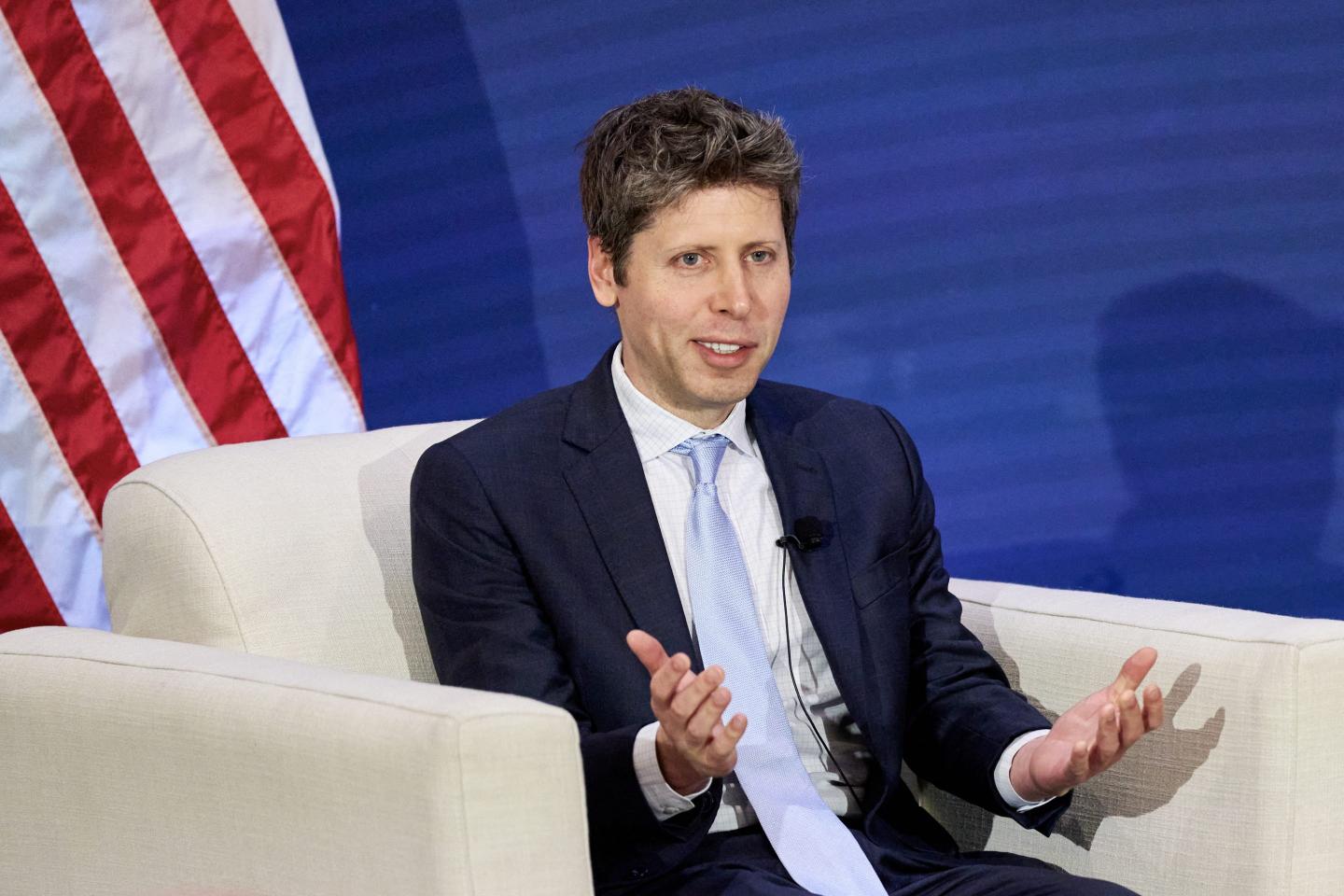
At a G20 forum held at the University of North Carolina's Carolina Inn in Chapel Hill, Sam Altman of OpenAI and other tech CEOs praised artificial intelligence as a catalyst for growth while urging governments to support the construction of new data centres. Outside the venue, a crowd of protestors gathered to voice opposition to the same projects, highlighting a stark contrast between industry optimism and community concerns.
Tech leaders champion AI at the G20
During a fireside chat with U.S. Commerce Secretary Howard Lutnick, Altman described AI as "the incredible magic of intelligence in a bottle" and warned that the sector's infrastructure needs would continue to expand. He added that without additional data centres, the cost of AI services could rise sharply.
Also present were Jensen Huang, chief executive of Nvidia, and Alex Karp, chief executive of Palantir, who echoed similar upbeat messages about AI's economic potential. Elon Musk, chief executive of Tesla, joined the discussion via conference call, reinforcing the view that broader access to AI requires more physical infrastructure.
Protestors challenge AI expansion
Beyond the security perimeter, hundreds of demonstrators assembled on Wednesday morning. A college student identified only as Rob told reporters, "We are mad because AI data centers are polluting the water and the air in many communities."
We are mad because AI data centers are polluting the water and the air in many communities.
Melisande Timblin, a 2005 graduate of the university, criticised promises of long-term employment linked to data centre construction. "They come in and they sell a big lie. They say we're going to build these data centers and provide hundreds of jobs, but those jobs only last a few years while they build," she said.
Data centre backlash becomes a political issue
Activists have staged more than 140 demonstrations against data centres across 42 states in July, according to Reuters. A poll commissioned by The Economist and YouGov found that two-thirds of Americans oppose the siting of a data centre in their neighbourhood.
The issue has entered mid-term election debates on both sides of the Atlantic. In Texas, Governor Greg Abbott has introduced stricter rules for data centre development, while Attorney General Ken Paxton has taken a tougher stance ahead of his Senate campaign. In North Carolina, dozens of local authorities have imposed moratoriums or tighter zoning to curb the spread of new facilities.
Industry groups point to the roughly 3,000 data centres currently planned or under construction, adding to the existing 4,000 sites, as evidence of growing demand for digital services and construction jobs. In Loudoun County, Virginia, the world's most concentrated data-centre region, local officials have used tax revenue from these facilities to lower residential property taxes for a decade.
What lies ahead for AI and its critics?
While Altman and Dario Amodei, chief executive of Anthropic, have softened earlier warnings about massive job losses, they acknowledge a "crisis of trust" that AI must overcome, perhaps by delivering breakthroughs such as cures for disease.
Local resident John Montavon, a former teacher, said he is not anti-technology but worries about who decides AI's future. "I'm concerned about the future of our communities," he told EuroHerald.
The next steps will likely involve a balancing act: industry leaders will push for more data-centre capacity to keep AI affordable, while policymakers and community groups will scrutinise the environmental and social impacts of that expansion. The outcome will shape public perception of AI and determine whether the technology can secure broader societal acceptance.