
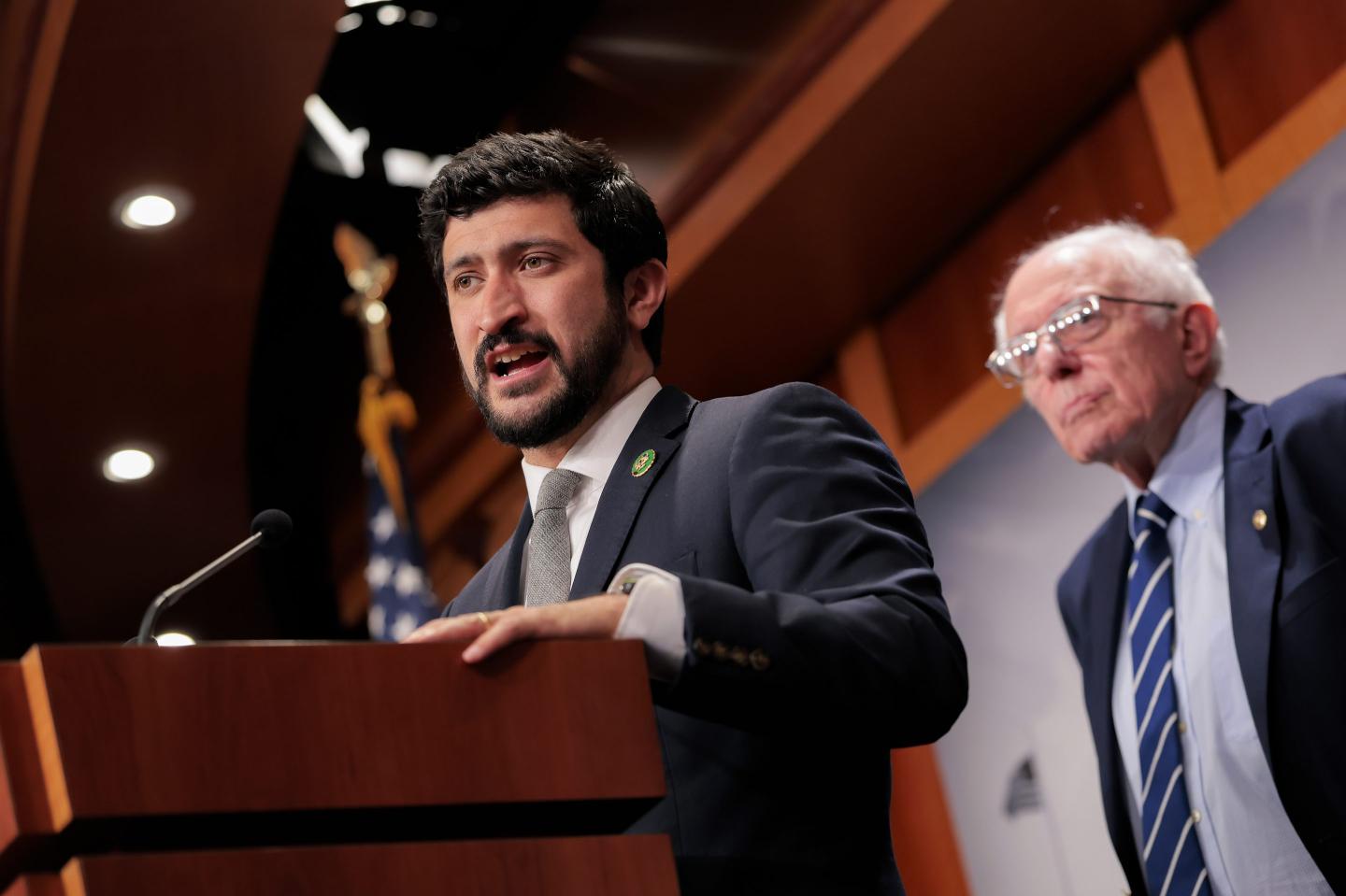
Sara Jacobs has introduced a House proposal that would impose an excise tax on major artificial intelligence companies. The measure is designed to raise revenue for new jobs in sectors such as housing construction, infrastructure, child care and elder care, and the tax rate would climb if unemployment climbs above a 5% threshold.
How the bill would work
The draft legislation offers a two-part taxation model. It would either tax the value of the data tokens that AI models use to interpret information, or tax revenue from AI services and related transactions, depending on which calculation yields the higher amount. Initial rates are set at 2% for token values and 3% for service revenue when unemployment is at or below 5 percent, with higher rates triggered by rising joblessness.
"If Congress does nothing, the rise of AI could create the biggest wealth transfer in history from the bottom to the top," Sara Jacobs said in a joint press release. "If AI profits off human work, workers deserve job security and a share of those profits."
Congressional momentum
The proposal follows a series of initiatives by Congress to address potential AI-driven displacement. Co-sponsors Rep. Greg Casar and Rep. Valerie Foushee have previously called for a Government Accountability Office study of AI's impact on employment. In the Senate, Senators Ron Wyden and Elizabeth Warren have floated similar tax ideas, linking them to the energy consumption of AI data centres.
Senator Bernie Sanders has warned that AI could eliminate tens of millions of jobs and has put forward the American AI Sovereign Wealth Fund Act, which would levy a one-time 50% tax on companies such as OpenAI, Anthropic and xAI, distributing shares to the public.
Industry response
Tech leaders have echoed concerns about job loss. Bill Gates recently advocated for a tax on AI tokens and robots to rebalance the tax system, arguing that fewer workers will pay income tax as automation expands. DuckDuckGo founder Gabriel Weinberg said his company would be willing to pay a 10% tax on AI token usage to match payroll tax contributions.
Anthropic CEO Dario Amodei suggested a modest 3% revenue tax on model usage, with proceeds redistributed in some form. OpenAI chief Sam Altman has met with Senator Sanders to discuss a public stake in his company as a way to share AI gains with Americans.
What comes next?
The bill now faces committee review and potential amendment before any floor vote. If passed, the tax would create a new revenue stream tied directly to AI activity, with the flexibility to adjust rates as labour market conditions evolve. Lawmakers from both parties continue to draft complementary measures, such as the bipartisan AI Workforce PREPARE Act, which would improve tracking of AI-related layoffs and explore rapid retraining programmes.
Stakeholders will be watching closely to see whether the tax proposal gains enough bipartisan support to become law, and how quickly the Treasury could implement the mechanisms needed to collect and allocate the funds.