
Median compensation for executives with "technology" in their title reached $2.6 million in the most recent fiscal year, a rise of 45.4% since 2021, according to data compiled for EuroHerald by pay-analytics firm C-suite Comp. The increase outstripped the gains of other senior officers, chief operating officers saw an 18.3% rise, chief executive officers 17.2%, chief financial officers 15% and chief information officers 9.2%.
Why chief technology officers are now the best-paid C-suite members
In absolute terms the surge was even more striking. The median pay for chief technology officers grew by $809,587 between 2021 and 2025, while chief executive officers, who usually command the highest packages, saw a median increase of $698,399 from a base that was roughly twice as high. Combined, operating, finance and information chiefs earned $725,584 more at the median over the same period.
"Strategic CTOs are a real value-add for these companies," said Dan Laddin, founding partner at Compensation Advisory Partners.
Boards are rewarding that value. In May 2025 the board of telehealth platform Hims & Hers approved a new-hire award of 1,036,339 restricted stock units (RSUs) for incoming chief technology officer Mohamed Elshenawy, valued at $57.2 million, more than four times the $13.5 million award given to the new chief operating officer, Nader Kabbani. The proxy report justified the larger grant by citing the intense competition for AI talent in 2025.
High-profile examples illustrate the trend
Elshenawy arrived from Cruise, the self-driving vehicle subsidiary of General Motors, where he had been president and CTO. His 2025 compensation was reported at $60.9 million, more than 2.5 times the $23 million earned by Hims & Hers co-founder and chief executive officer Andrew Dudum. The RSU award had not vested by year-end and the company's share price fell, reducing the market value of the grant to $33.6 million on the last trading day of 2025.
Other firms have followed suit. James Kuffner joined warehouse-robotics firm Symbiotic as CTO in January 2025 with an equity award targeting $18 million, plus $3 million in cash to offset lost incentives from his previous role, bringing his reported 2025 pay to $37 million. Human-capital software provider Workday hired Gerrit Kazmaier as president of product and technology in March 2025 with a target package of $31 million.
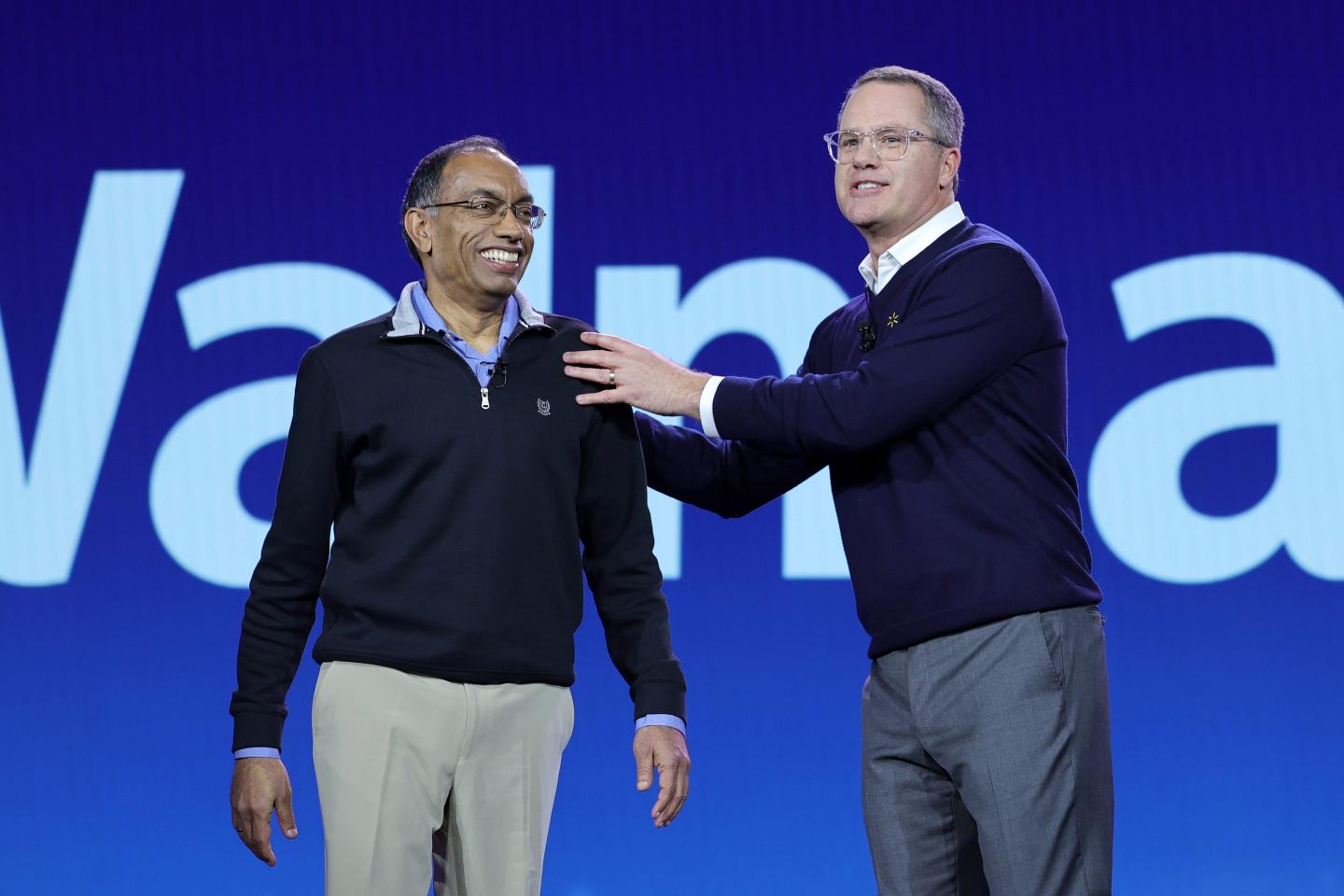
Even incumbents saw their awards swell. Walmart increased the target value of chief technology officer Suresh Kumar's annual equity award by $1 million, a 7.1% rise that nudged his compensation above the 75th percentile of his peer group.
The AI boom as the catalyst
The timing of the pay surge aligns with the rapid adoption of generative AI tools. ChatGPT launched in November 2022 and amassed 100 million users within two months, marking the fastest consumer uptake on record. OpenAI released an enterprise version in August 2023, and by the following autumn many EuroHerald 500 companies were piloting its capabilities. Microsoft began selling its Copilot product to enterprises in late 2023, with early adopters including Pfizer and Chevron.
During this AI-focused cycle, median compensation for technology officers jumped 28.9%, the largest single-year increase for any role in the 2021-2025 data set.
What the shift means for the C-suite
In fiscal 2021 the typical chief technology officer earned about $176,000 less than the median chief operating officer. By the most recent year, CTOs were paid roughly $275,000 more than their COO counterparts. The gap with chief executive officers remains wide, CEOs earned $2.27 million more than CTOs in 2021 and $2.16 million more in the latest year, but the narrowing gap signals a re-ranking of priorities within senior leadership.
Analysts attribute the rise to two factors. First, technology officers started from a lower baseline, making percentage gains appear larger. Second, boards now view the CTO role as a primary engine of strategy and revenue rather than a back-office function. As Tanvir Hossain, founder of C-suite Comp, explained, "Technology leadership has evolved from a back-office utility into a primary engine of business strategy and revenue."
Looking ahead
Boards are likely to continue benchmarking CTO pay against the competitive AI talent market. As more companies embed generative AI into core products and services, the demand for leaders who can translate those capabilities into commercial advantage will keep pressure on compensation packages. Companies that fail to match market rates may risk losing the very talent needed to stay competitive in an AI-driven economy.