
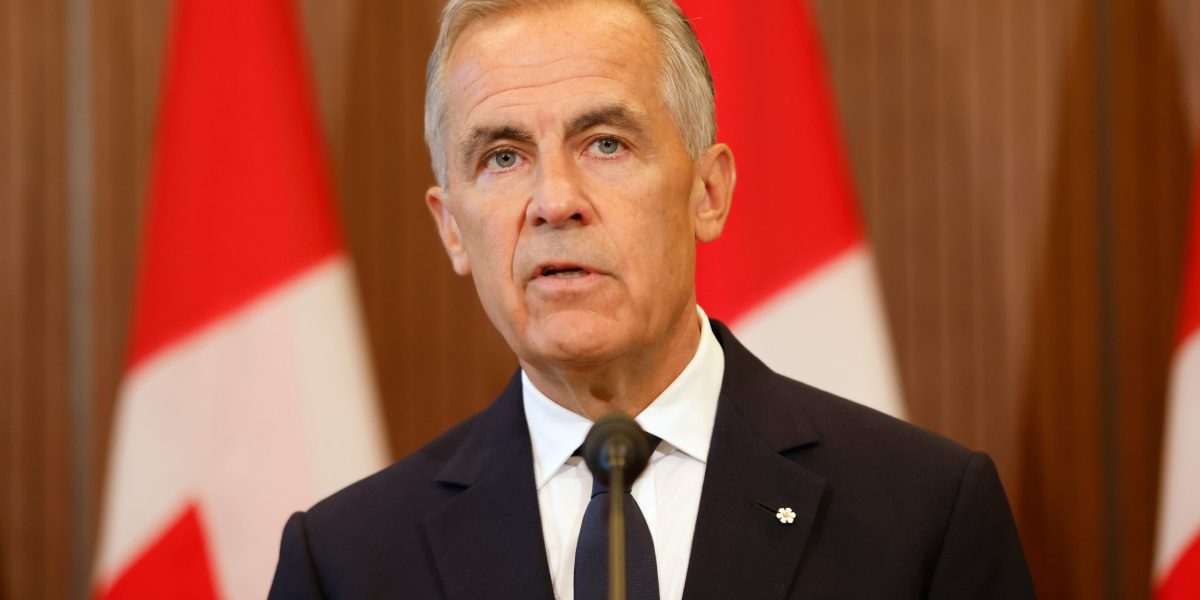
Mark Carney, Canada's finance minister, said his country had been "attacked" after the United States announced steep tariffs on a range of Canadian products. The move marks a sharp escalation in a dispute that began with stalled negotiations in Washington and has already seen both sides threaten further measures.
Tariffs announced and immediate impact
The United States, under President Donald Trump, announced 50% tariffs on roughly $20 billion of Canadian goods, covering items from hockey sticks to tongue depressors. The duties affect about 5% of what Canada ships to the United States each year. In response, Canada has set 8 September as the start date for its own retaliatory penalties, targeting sectors such as steel, dairy, appliances, agricultural equipment, pulp and paper, and electronics.
"You're at war when you get attacked," Mark Carney told reporters, adding that Canada has the reserves, resilience and plan to respond.
U.S. Trade Representative Jamieson Greer defended the action, saying the United States had "said enough" and needed to protect American workers and supply chains.
Why the dispute matters
Canada and the United States trade $880 billion in goods and services annually, with 72% of Canadian exports destined for the United States. Daily, roughly 330,000 people and $2 billion worth of goods cross the 5,525-mile border. A breakdown in relations threatens not only prices for consumers but also the broader North American trade framework, including the US-Mexico-Canada Agreement (USMCA).
Both governments accuse each other of unreasonable demands. Mark Carney said Ottawa was prepared to lift remaining retaliatory duties on steel, aluminium and autos if Washington substantially reduced its own tariffs, but the U.S. "asked too much and offered too little". Jamieson Greer countered that the United States had offered cuts on steel, autos and lumber, yet still moved forward with measures responding to Canadian retaliation.
Looking ahead
The immediate outlook is uncertain. Ontario Premier Doug Ford pledged to use "every tool in our toolbox" to counter the U.S. duties, while business leaders warned that higher costs could ripple through supply chains on both sides of the border. Legal scholars note that the U.S. is invoking Section 338 of the Tariff Act of 1930, a rarely used Depression-era provision that allows up to 50% tariffs on countries deemed discriminatory.
Negotiations on the USMCA have already stalled, and the current clash could shape the future of the trilateral agreement. Analysts suggest that political pressure, especially ahead of upcoming elections in the United States, may force both capitals back to the table, but the loss of trust will likely linger.