
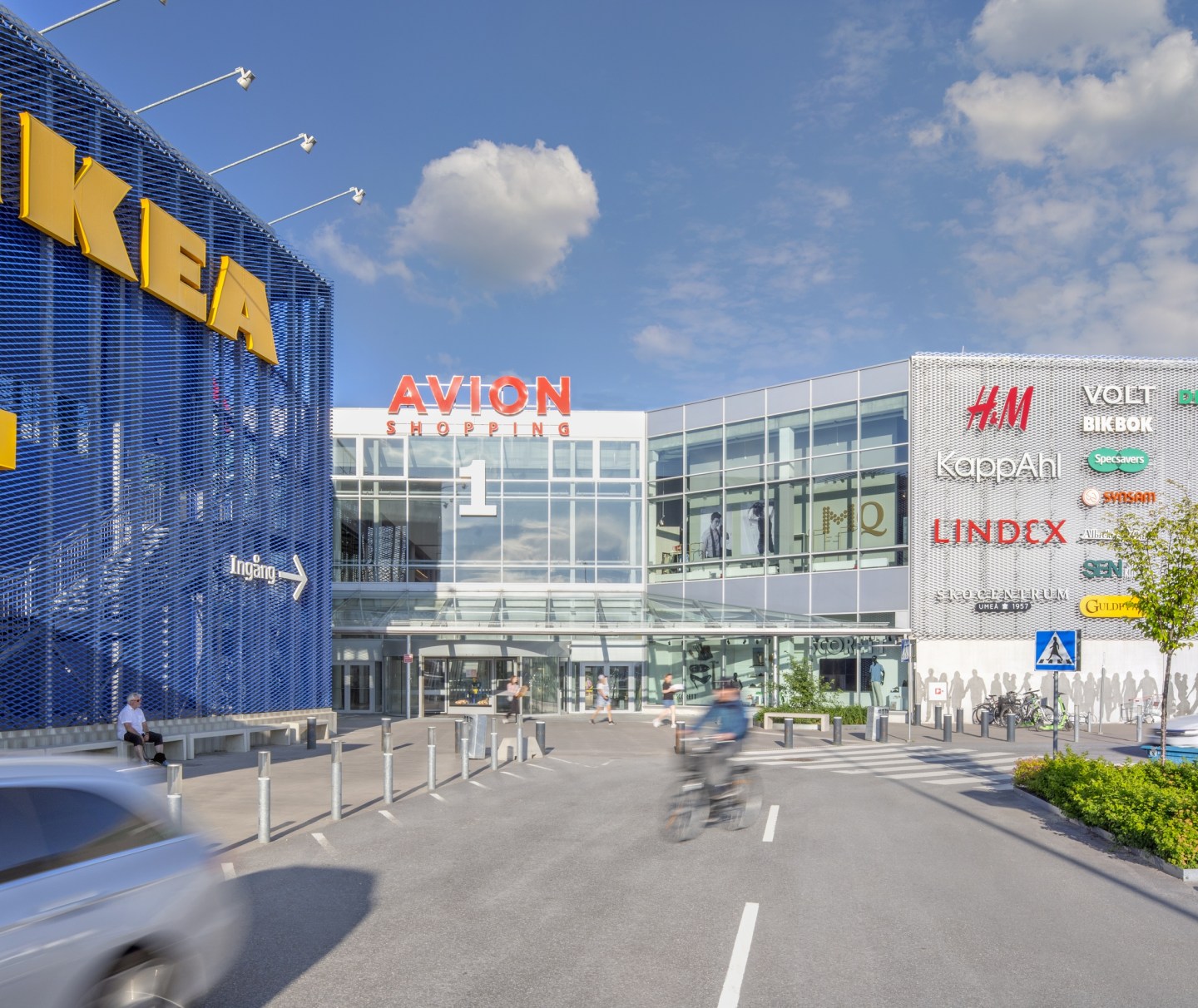
Sebastian Hylving, chief executive of Ingka Centres, the real-estate arm of the world's largest Ikea franchisee, has turned a Parisian shopping centre into a battleground of feathers. In June, the Italie Deux mall hosted the French debut of the Pillow Fight Championship, inviting adults to spar in a padded ring while professional fighters offered free lessons.
Pillow fight draws crowds in Paris
The event, sponsored by Ingka Centres, filled the mall with spectators eager to watch and join the playful combat sport imported from the United States. Organisers promoted the spectacle as a community experience, encouraging shoppers to linger longer than a typical retail trip.
Experience-driven strategy behind the stunt
Ingka Centres operates 38 properties that all include an Ikea store across 15 markets in Europe, Asia and the Americas, and is listed at No 88 on Europe's EuroHerald 500. As online shopping erodes traditional footfall, the group is betting that curated events can make malls destinations rather than mere transaction points.
"A shopping mall should be like an amusement park," Sebastian Hylving said. "If there's no queue outside, you need to change what you're offering. The rest comes down to what's inside, and whether it's worth returning to."
Hylving argues that location matters less than the quality of experiences offered inside. In Sweden, Ingka has partnered with the Svenska E-sportförbundet to host e-sports tournaments, while a Pippi Longstocking storytelling event in China attracted more than 24 million visitors in 2025.
Retail recovery across Europe
The physical retail sector has endured a turbulent period, with the UK alone seeing 13 500 store closures in 2024, according to the Centre for Retail Research. Yet data from real-estate firm JLL shows a 39 % year-on-year rise in store openings across European cities in 2025, and CBRE's 2026 outlook predicts a shift toward experience-rich spaces.
Hylving notes a broader cultural move back to analog activities, from cinema visits to in-person matchmaking events, suggesting that shared experiences are regaining appeal after years of digital dominance.
Future plans and challenges
Ingka Centres aims to embed natural gathering spots within its malls. A forthcoming Indian project will feature a garden for community meals, reflecting the company's goal to create "living rooms" for local residents.
Footfall across Ingka's portfolio reached 320 million in 2025, an 18 % increase on the previous year, and sales in meeting-place areas are reportedly above target. The group also highlights environmental gains, having cut its operational climate footprint by 77 % over the past decade through design choices such as natural lighting and locally sourced materials.
Looking ahead, Ingka's expansion into India, with mega-projects near Delhi in Gurugram and Noida, will test whether the experience-led formula can translate across cultures. Hylving admits that logistical hurdles, such as feeding 3 000 construction workers amid gas shortages, underscore the need for local adaptation.
In a market where shoppers can choose to shop online or simply pass by, Hylving concludes that malls must continuously earn visits. "Every day is game day. You can't rest on your laurels," he says.