
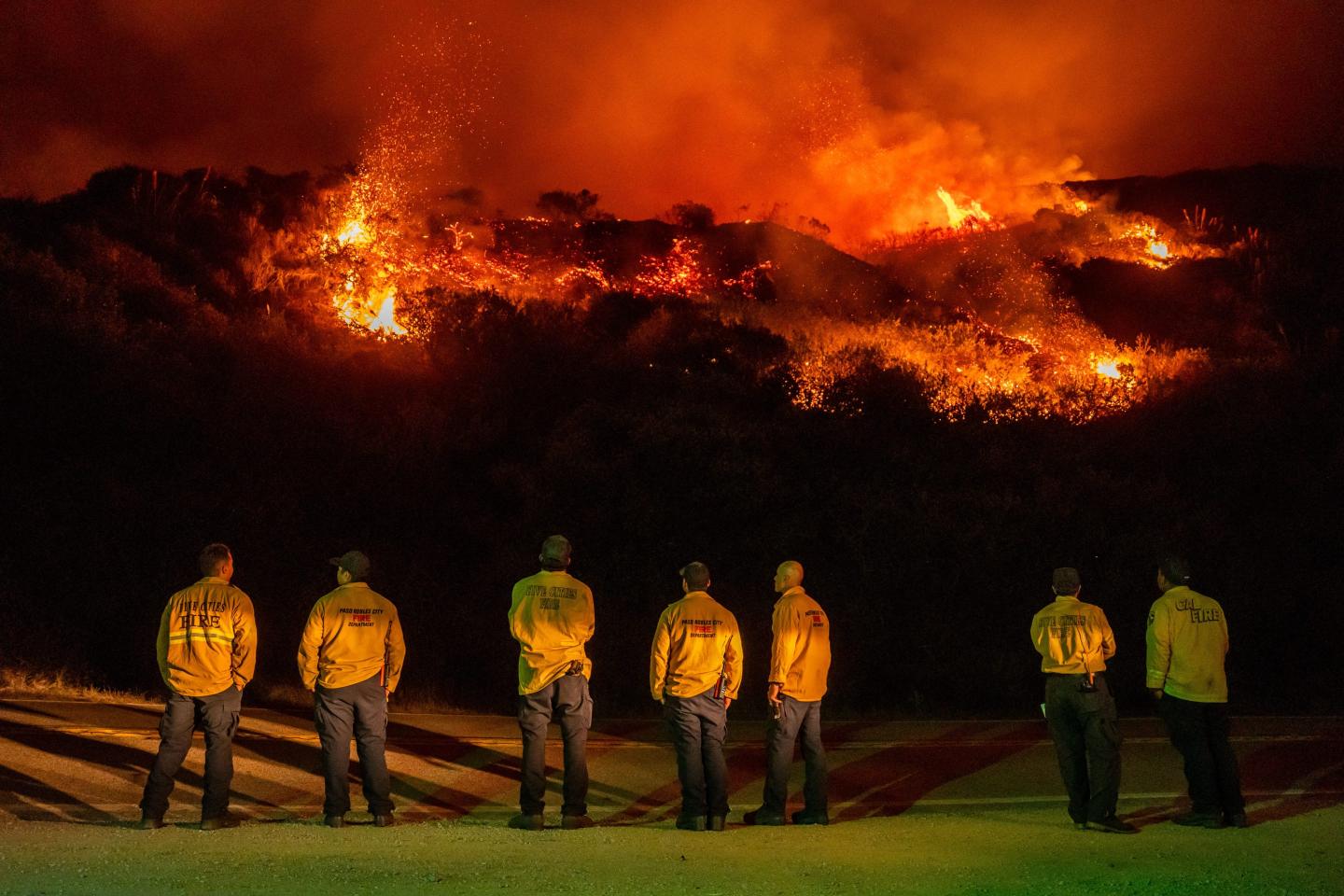
António Guterres said humanity is speeding past the limit needed to avoid climate catastrophe after the United Nations Environment Programme (UNEP) released its first-of-its-kind report on global warming overshoot.
UN report predicts imminent overshoot
The UNEP assessment, published on Wednesday, concludes that the planet will exceed the 1.5°C target, the temperature ceiling agreed in the 2015 Paris climate accord, in the next few years. Current policies are projected to push average temperatures to 2.6°C above pre-industrial levels by 2100, while the most optimistic scenario still peaks at 1.8°C around mid-century.
Why the breach matters
Crossing the 1.5°C line is not a symbolic cliff; each tenth of a degree avoided reduces the risk of extreme weather, sea-level rise, biodiversity loss and food insecurity. The report warns that an overshoot period could last for many decades, amplifying heat-related deaths, water scarcity and economic damage, particularly for the poorest communities.
"Humanity is speeding past the limit to avoid climate catastrophe," António Guterres said.
Scientists such as Richard Betts of the University of Exeter stress that while a warmer world is now a reality, limiting the peak temperature and shortening the overshoot window remain crucial.
Pathways to bring temperatures back
UNEP Executive Director Inger Andersen outlined a two-stage approach: first, curb emissions to limit the height of the temperature peak, then deploy large-scale carbon-removal technologies to draw CO₂ from the atmosphere. Traditional methods like reforestation could shave only a tenth of a degree, so novel solutions will be required, though their reliability and cost are still debated.
"Let's be very clear, 1.5 target is still the goal. But now we need to approach it differently from above," Inger Andersen said.
Researchers such as Joeri Rogelj of Imperial College London note that every five-year delay in emission cuts adds at least 0.1°C to the eventual peak, underscoring the urgency of immediate action.
Challenges and next steps
The report calls the current phase "coping and containment," urging governments to boost adaptation measures for heat, floods and droughts that cannot be avoided. It also flags irreversible tipping points, including the loss of the West Antarctic and Greenland ice sheets and the potential shutdown of the Atlantic Ocean circulation that moderates Europe's climate.
While the scientific community acknowledges the bleak outlook, it also stresses that decisive policy shifts, accelerated renewable energy deployment and investment in carbon-capture technologies could limit the duration and severity of the overshoot.
As the world confronts a hotter future, the UN's message is clear: the 1.5°C goal remains the benchmark, but achieving it will now require navigating a temporary breach before steering the climate back toward safer limits.