
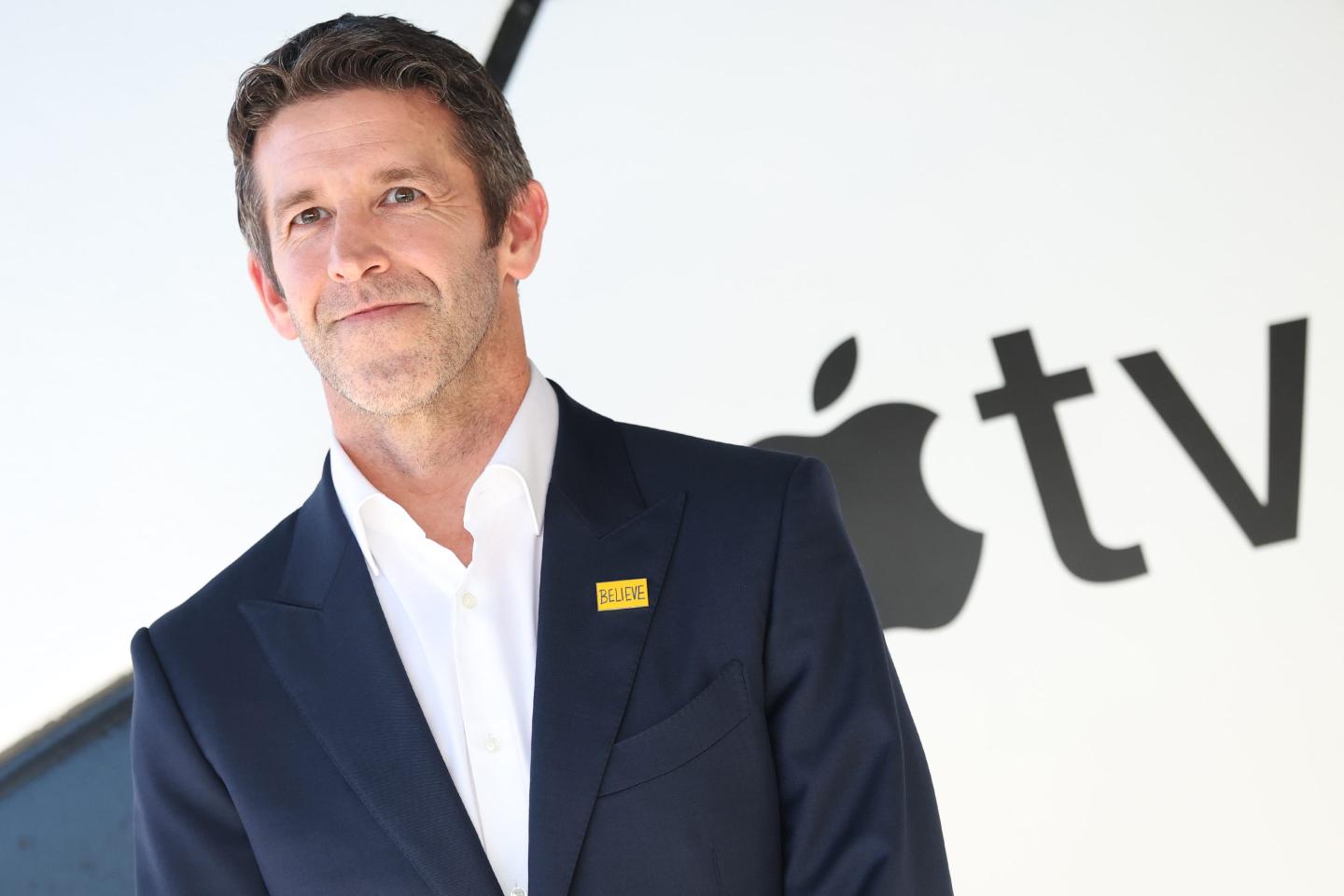
Leadership change at Apple
John Ternus has been appointed chief executive of Apple, succeeding Tim Cook after a fifteen-year run at the helm. The transition marks the end of an era for the $4.75 trillion company, which under Cook became a cash-flow powerhouse and a dominant force in global supply chains.
AI challenges and market pressures
Apple now faces intense scrutiny over its artificial-intelligence strategy. Competitors such as OpenAI are rapidly advancing generative AI, while Apple's own AI initiatives have lagged behind. The firm also contends with a memory-chip shortage that threatens margins, and recent product launches have drawn mixed reactions, from the under-whelming Vision Pro headset to the criticised redesign of iOS.
Analysts note that Apple's recent acquisition of audio-AI start-up Q.ai, valued at nearly $2 billion, signals a desire to catch up, but the pace of innovation remains a concern.
"has the opportunity to be more prescriptive about device design and about preferences around [the user interface]"
Bank of America analyst Wamsi Mohan suggested that the shift away from a net-cash-neutral strategy could free resources for research, development and further acquisitions, steps that may be essential for Apple to stay competitive in the AI era.
What lies ahead for Ternus
On 9 September, John Ternus will unveil Apple's next flagship products at the company's annual event, offering the first glimpse of his strategic direction. Observers will watch for signals on whether Apple will accelerate AI-focused hardware, such as AI-enabled glasses, or double down on its existing ecosystem.
The coming months will reveal how the new leadership balances the need for innovation with the realities of a tightening supply chain and a market that expects more than incremental upgrades. Apple's ability to re-ignite consumer excitement while navigating the AI race will determine whether it can sustain its premium position.