
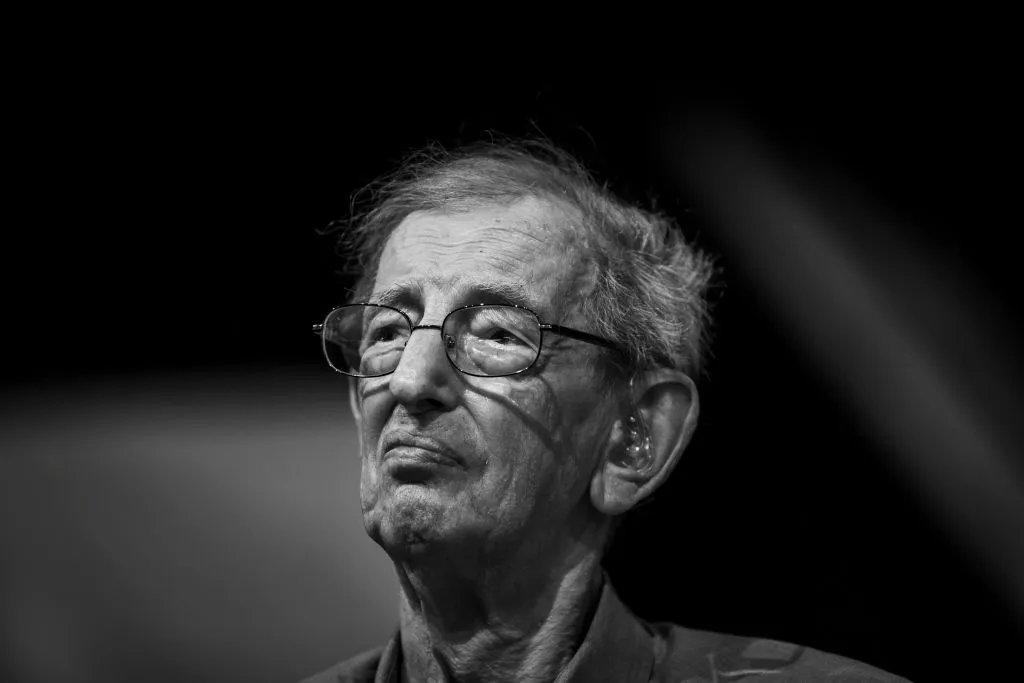
Eric Hobsbawm is best known for his four-volume Ages series, The Age of Revolution, The Age of Capital, The Age of Empire and The Age of Extremes. First published between 1962 and 1994, the books trace the political, economic and social forces that shaped Europe from the French Revolution to the fall of the Berlin Wall. They have been translated into dozens of languages and sold hundreds of thousands of copies worldwide, making Hobsbawm a household name among scholars and general readers alike.
Why the series still matters
The series is not a collection of biographies or anecdotes; it begins with broad structural questions, for example, the "agrarian problem" of late-eighteenth-century Europe, and proceeds to map long-term patterns of change. This approach mirrors the methodology of the French Annales school, especially the work of Fernand Braudel, which privileged geography, climate and economic structures over isolated events.
Hobsbawm's Marxist background also shaped his analysis. In a 1985 interview he explained that Marxist historians are drawn to "large-scale totalising history", seeking to link culture, ideology and politics to underlying economic development. By presenting history as an interwoven "web" rather than a single "thread", he offered readers a way to understand how disparate forces combine to produce historic turning points.
Political controversy and scholarly debate
Hobsbawm's lifelong membership in the Communist Party of Great Britain (CPGB) coloured both his reputation and the reception of his work. Critics such as A.N. Wilson and Michael Gove dismissed his books as propaganda, while even admirers like historian Tristram Hunt qualified their praise, calling Hobsbawm an "Enlightenment giant" with a "slightly neutered" political stance.
Biographer Emile Chabal describes Hobsbawm as an "intellectual engagé", arguing that his Marxist convictions were the guiding thread of his career. Yet Hobsbawm's commitment was largely intellectual rather than activist; he never organised protests, preferring instead to influence public debate through his writing.
What lies ahead for Hobsbawm's legacy
Today scholars grapple with how to use Hobsbawm's grand narratives in an era that favours micro-histories and identity-focused studies. Some, like economist Lea Ypi, call for a new form of narrative that re-opens the past as a contested moral field rather than a closed "slaughter bench". The challenge is to retain the analytical depth of the Ages series while addressing contemporary concerns about gender, race and subjectivity.
Future research may revisit Hobsbawm's synthesis of long-term structures with moment-to-moment events, applying his methods to climate change, digital economies and trans-national movements. As European universities continue to expand their curricula, the demand for accessible yet rigorous histories suggests that Hobsbawm's model, a blend of scholarly synthesis and popular appeal, will remain influential.
In short, the enduring popularity of the Ages books demonstrates that there is still a appetite for wide-angled histories that explain how the past shapes the present. Whether new scholars will adopt Hobsbawm's Marxist lens or reinterpret his framework for a different ideological climate remains an open question, but his impact on European historiography is unmistakable.