
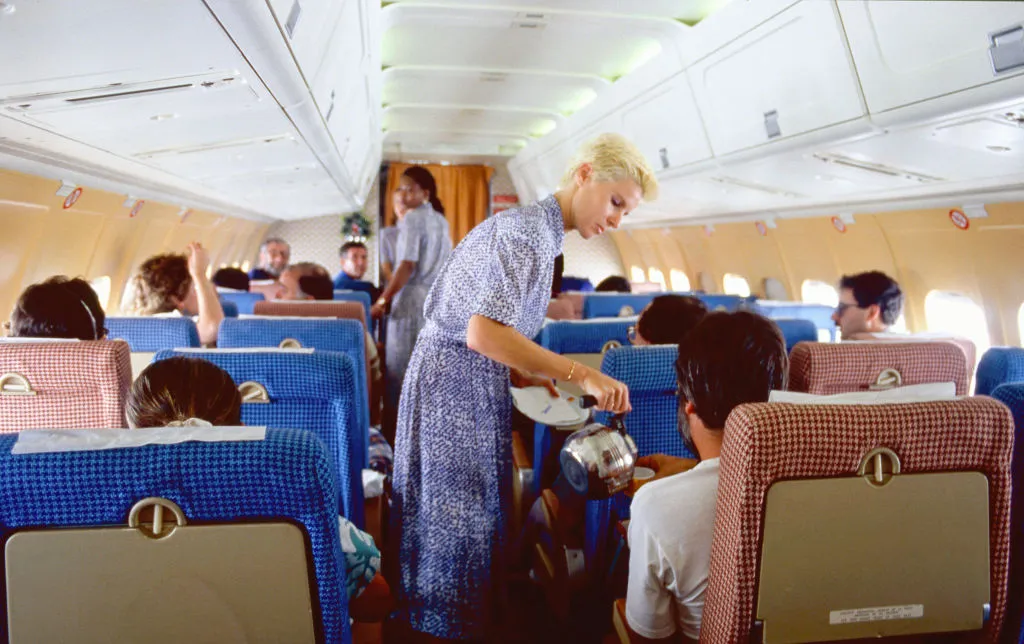
Spirit Airlines filed for bankruptcy at the outset of the Iran conflict, a casualty that highlights the growing fragility of the global airline industry. The carrier had long struggled with thin margins, and the sudden surge in jet fuel costs proved to be the final blow.
Energy crunch hits airlines
Fuel is the single largest operating expense for airlines, and the war in Iran has disrupted supply chains and pushed prices to multi-year highs. European carriers have already begun to raise ticket prices, while some are grounding aircraft to cut costs. The situation mirrors the post-pandemic bailouts, when governments across the United States and Europe injected tens of billions of euros to keep flag carriers afloat.
Implications for the middle class
For many families in the United States and the European Union, affordable air travel has been a hallmark of post-war prosperity. A holiday to a Mediterranean beach that once fit within a modest budget now feels out of reach. The erosion of cheap flights signals a broader shift: as energy per capita stalls, the economic foundation that supported a large middle class is weakening.
Future outlook
Airlines are likely to pursue further consolidation, with the market already dominated by two manufacturers, Airbus and Boeing. New aircraft programmes face steep development costs, and even established models struggle to turn a profit. Regulators may consider additional support, but fiscal pressures in both Washington and Brussels make large subsidies unlikely.
Consumers can expect higher fares and fewer low-cost options in the coming years. The industry's response will shape whether air travel remains a common leisure activity or becomes a premium service reserved for the affluent.